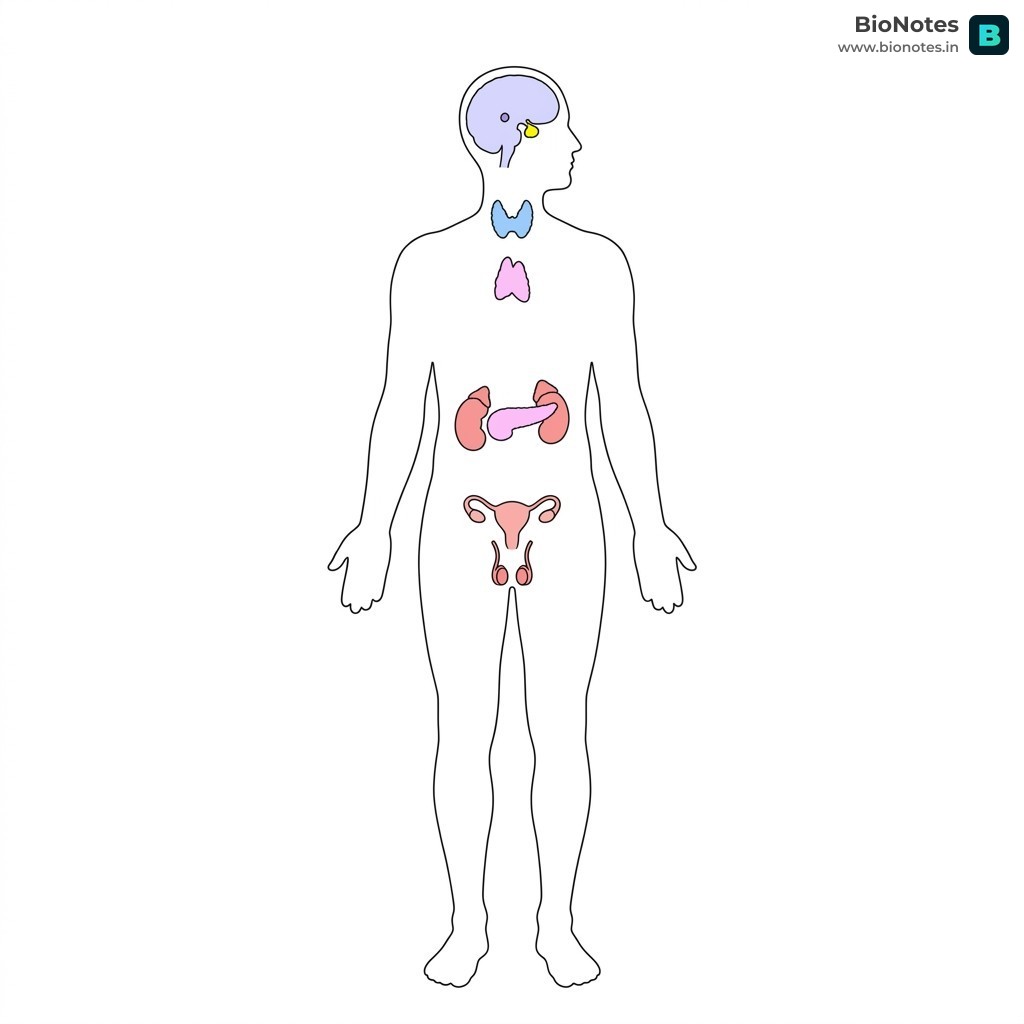
Adolescence is a pivotal transitional phase in human development, marking the period between childhood and adulthood. It is characterized by profound biological, psychological, and social changes. This note provides a detailed exploration of the biological underpinnings of adolescence, with a focus on the endocrine system, the process of puberty, and the significant transformations that occur in the body and brain.
Adolescence is a broader concept than puberty. It encompasses the entire period of transition, including cognitive, social, and emotional maturation. The World Health Organization (WHO) defines adolescence as the period between 10 and 19 years of age.
Puberty, on the other hand, refers specifically to the biological process of reaching sexual maturity. It is a key component of adolescence and is driven by a cascade of hormonal changes.
The onset and progression of puberty are orchestrated by the endocrine system, a network of glands that produce and secrete hormones. The key players in this process form the Hypothalamic-Pituitary-Gonadal (HPG) axis.
Hypothalamus: The process begins in the brain with the hypothalamus. For reasons not yet fully understood, the hypothalamus starts to release Gonadotropin-Releasing Hormone (GnRH) in a pulsatile manner.
Pituitary Gland: GnRH travels to the anterior pituitary gland, stimulating it to release two crucial hormones called gonadotropins:
Luteinizing Hormone (LH)
Follicle-Stimulating Hormone (FSH)
Gonads (Testes and Ovaries): LH and FSH travel through the bloodstream to the gonads (the testes in males and the ovaries in females). These hormones stimulate the gonads to:
Produce sex hormones:
In males: The testes significantly increase the production of testosterone.
In females: The ovaries ramp up the production of estrogen and progesterone.
Gametogenesis: The maturation of sperm in males and eggs (ova) in females.
The adrenal glands also play a role in puberty by producing androgens, such as dehydroepiandrosterone (DHEA). These hormones contribute to the development of:
The HPG axis is regulated by a negative feedback loop. As levels of testosterone and estrogen rise, they signal the hypothalamus and pituitary gland to reduce the production of GnRH, LH, and FSH. This ensures that hormone levels are kept within a specific range.
Primary Hormone: Estrogen is the primary hormone driving female development.
Sequence of Events (Tanner Stages):
Thelarche (Breast Budding): The first sign of puberty is typically the appearance of small mounds of breast tissue.
Pubarche (Pubic Hair): The growth of sparse, straight pubic hair, usually along the labia.
Growth Spurt: The peak in height velocity occurs earlier than in males.
Menarche (First Menstruation): The onset of the menstrual cycle. Early cycles are often irregular and anovulatory (no egg is released).
Body Composition: Estrogen promotes the deposition of fat in the hips, thighs, and buttocks, leading to a more curvaceous body shape.
The Menstrual Cycle: The menstrual cycle is established, involving the regular maturation and release of eggs from the ovaries and the cyclical thickening and shedding of the uterine lining.
Synaptic Pruning: The brain eliminates unused neural connections (gray matter), making it more efficient. This "use it or lose it" principle means that the experiences and activities of an adolescent shape their brain's structure and function.
Myelination: The process of coating nerve fibers with a fatty substance called myelin (white matter) continues. Myelination increases the speed of information processing in the brain.
Prefrontal Cortex Development: The prefrontal cortex, located at the front of the brain, is responsible for executive functions such as planning, decision-making, impulse control, and understanding consequences. This region is one of the last to mature.
Limbic System Development: The limbic system, which is involved in emotions, rewards, and motivation, matures earlier than the prefrontal cortex. This developmental mismatch can contribute to the characteristic adolescent behaviors of:
Dopamine: The brain's reward system becomes more active during adolescence, with increased sensitivity to the neurotransmitter dopamine. This can make adolescents more receptive to rewards and new experiences, but it can also contribute to impulsive and risky behaviors.
The timing of puberty can be influenced by a variety of factors:
Genetics: Heredity plays a significant role in determining when puberty begins. The timing of a parent's puberty is a strong predictor of their child's.
Nutrition and Body Fat: The hormone leptin, which is produced by fat cells, is thought to be a key signal to the brain that the body has enough energy reserves to begin puberty. This is why individuals with higher body fat may enter puberty earlier.
Environmental Factors and Stress: Exposure to chronic stress can sometimes delay the onset of puberty. There is also some evidence that exposure to certain environmental chemicals (endocrine disruptors) may influence the timing of puberty.
Adolescents experience a natural shift in their circadian rhythm, making them feel tired later at night and want to wake up later in the morning. They require 8-10 hours of sleep per night for optimal health, learning, and memory consolidation.
Regular physical activity is crucial for building strong bones and muscles, maintaining a healthy weight, and improving mental health by reducing stress and anxiety.
Adolescence is a vulnerable period for the onset of mental health conditions such as anxiety, depression, and eating disorders. The combination of hormonal fluctuations, brain development, and social pressures can be challenging. It is important for adolescents to have a strong support system and to seek help if they are struggling.
Mental Health Awareness
Adolescence is a peak time for the onset of many mental health conditions. Early intervention and a strong support system are vital.
Early Puberty: Individuals who mature earlier than their peers may experience social advantages, but they may also be at higher risk for anxiety, depression, and substance use.
Late Puberty: Maturing later than one's peers can be a source of stress and social anxiety, but it is not typically associated with long-term negative outcomes.
Abstract and Hypothetical Thinking: Adolescents develop the ability to think about abstract concepts, consider possibilities, and reason hypothetically. This is part of what the psychologist Jean Piaget called the "formal operational stage" of cognitive development.
Metacognition: Adolescents become capable of "thinking about thinking," which allows them to monitor their own thought processes and develop strategies for learning and problem-solving.
Identity Formation: A central task of adolescence is to form a stable sense of self, or identity. This involves exploring different roles, values, and beliefs.
Increased Self-Consciousness: The physical changes of puberty can lead to heightened self-awareness and concerns about body image.
Peer Relationships: Peer groups become increasingly important, and friendships become more intimate and focused on shared experiences and emotional support.
Autonomy: Adolescents strive for greater independence and autonomy from their parents, which can sometimes lead to conflict.
While seemingly disparate, there are interesting parallels between human adolescence and metamorphosis in lower animals, such as insects and amphibians.
Hormonal Control: Both processes are fundamentally controlled by hormones. In insects, hormones like ecdysone and juvenile hormone trigger and regulate the transformation from larva to adult, much like the HPG axis in humans.
Rapid Physical Changes: Both involve periods of rapid growth and significant changes in body structure.
Transition to a Reproductive Stage: A primary outcome of both adolescence and metamorphosis is the attainment of sexual maturity and the ability to reproduce.
Changes in Behavior and Habitat: Both processes are often accompanied by changes in behavior and how the organism interacts with its environment.
Gradual vs. Abrupt Change: Adolescence is a relatively gradual process, with changes occurring over several years. Metamorphosis, particularly in insects, is often a more abrupt and dramatic transformation, with distinct larval, pupal, and adult stages.
Body Plan: Adolescence involves the growth and maturation of the existing human body plan. In contrast, metamorphosis involves a fundamental and radical restructuring of the organism's body plan (e.g., a caterpillar transforming into a butterfly).
Life Stages: The life stages in metamorphosis are often ecologically distinct. For example, a tadpole is aquatic and herbivorous, while a frog is terrestrial and carnivorous. In humans, the transition from childhood to adulthood is a continuous development within the same ecological niche.
Q1: What is the difference between adolescence and puberty?
A: Puberty is the biological process of reaching sexual maturity, while adolescence is a broader term that encompasses the entire transitional period from childhood to adulthood, including cognitive, social, and emotional changes.
Q2: What triggers the start of puberty?
A: The exact trigger is not fully understood, but it involves the hypothalamus releasing GnRH, which sets off a cascade of hormonal changes. Genetics, nutrition, and body fat are all thought to play a role.
Q3: Why do adolescents experience mood swings?
A: Mood swings are common during adolescence due to a combination of factors, including fluctuating hormone levels (estrogen and testosterone) and the ongoing development of the limbic system, the brain's emotional center.
Q4: Why are adolescents more prone to risk-taking behavior?
A: The prefrontal cortex, which is responsible for impulse control and decision-making, is not fully mature until the mid-20s. At the same time, the limbic system and the brain's reward system are highly active, leading to a greater desire for novelty and reward, and a reduced ability to consider the long-term consequences of actions.
Q5: When does adolescence end?
A: There is no single age at which adolescence ends. Biologically, it is largely complete by the late teens, but brain development and social and emotional maturation continue into the early to mid-20s.
Q6: What is the role of nutrition in adolescent development?
A: Proper nutrition is crucial for supporting the rapid growth and development of adolescence. Deficiencies in calories, protein, vitamins, and minerals can delay puberty and stunt growth.
Q7: How does sleep affect adolescent development?
A: Adolescents require more sleep than adults (around 8-10 hours per night). Sleep is essential for brain development, learning, and memory consolidation. Chronic sleep deprivation can negatively impact mood, academic performance, and physical health.
Q8: What are the most common mental health challenges during adolescence?
A: Adolescence is a vulnerable period for the onset of mental health issues. Common challenges include anxiety disorders, depression, and eating disorders. These can be influenced by a combination of genetic predisposition, hormonal changes, and social pressures.
Adolescence is a dynamic and transformative period of development. The intricate interplay of hormones, brain development, and social influences shapes the transition from childhood to adulthood. Understanding the biological underpinnings of this process is crucial for supporting the health and well-being of adolescents.
 BioNotes