BioNotes
Class 7

Human Anatomy and Physiology - An Overview

A comprehensive introduction to the major organ systems and the internal structure of the human body.

Human Anatomy and Physiology: An Overview

Anatomy is the study of the structure of body parts, while Physiology is the study of how these parts function and work together. The human body is organized into several systems that maintain Homeostasis—a stable internal environment.

1. Levels of Organisation

The human body follows a hierarchical structure:
  • Cells: The basic unit of life (e.g., muscle cells).
  • Tissues: Groups of similar cells (e.g., nervous tissue).
  • Organs: Different tissues working together (e.g., the heart).
  • Organ Systems: Groups of organs performing a major function (e.g., the circulatory system).
  • Organism: The complete human being.

2. Major Organ Systems

A. The Skeletal and Muscular Systems

  • Function: Provide support, protection, and movement.
  • Key Organs: Bones, joints, and muscles.

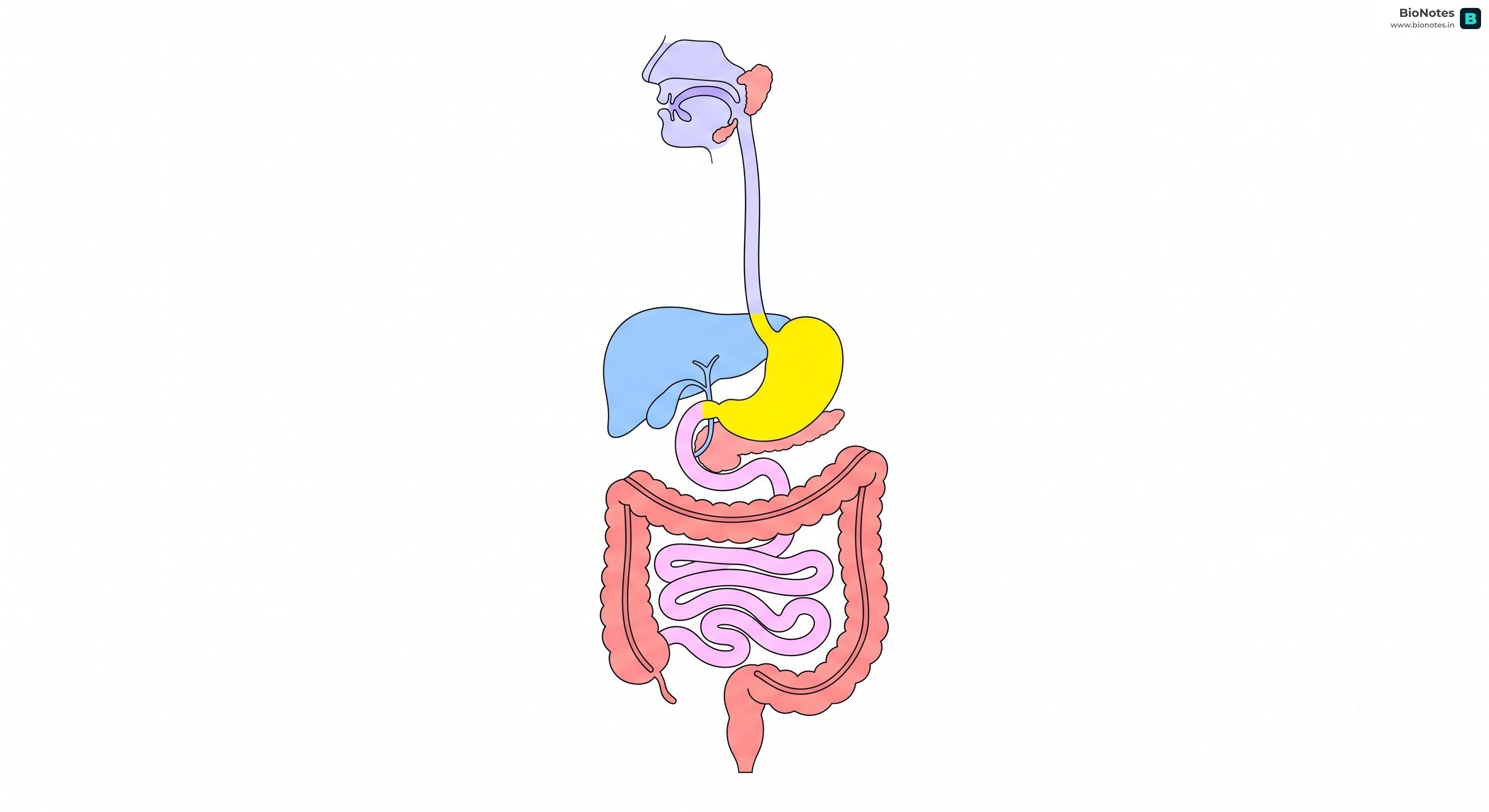
B. The Digestive System

  • Function: Breaking down food into nutrients that the body can absorb.
  • Key Organs: Mouth, esophagus, stomach, small intestine, large intestine, liver, and pancreas.

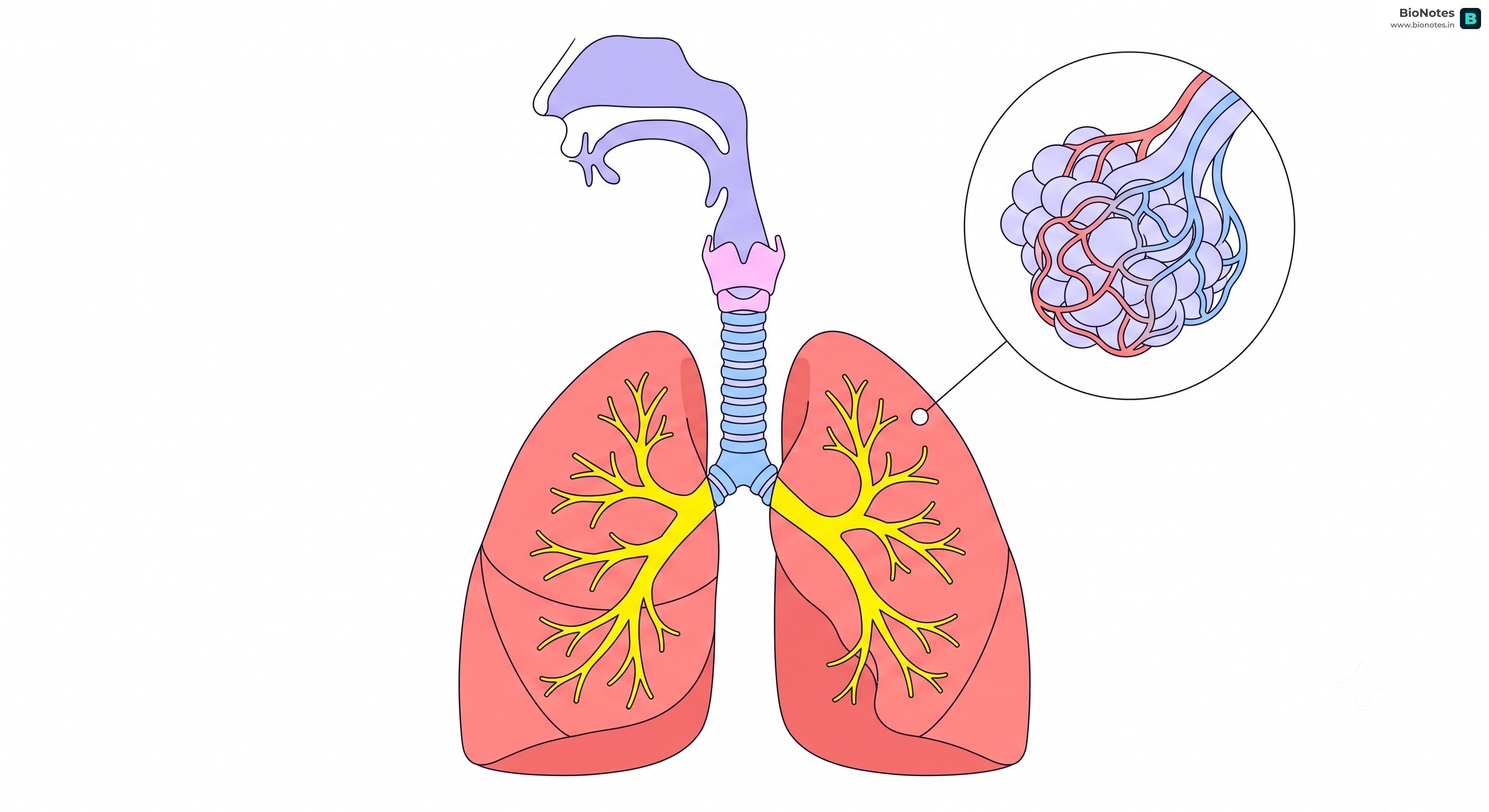
C. The Respiratory System

  • Function: Exchange of gases (O2O_2 in and CO2CO_2 out).
  • Key Organs: Nose, trachea (windpipe), and lungs (containing alveoli).

D. The Circulatory System

  • Function: Transporting oxygen, nutrients, and hormones to cells and removing waste products.
  • Key Organs: Heart, blood, and blood vessels (arteries, veins, capillaries).

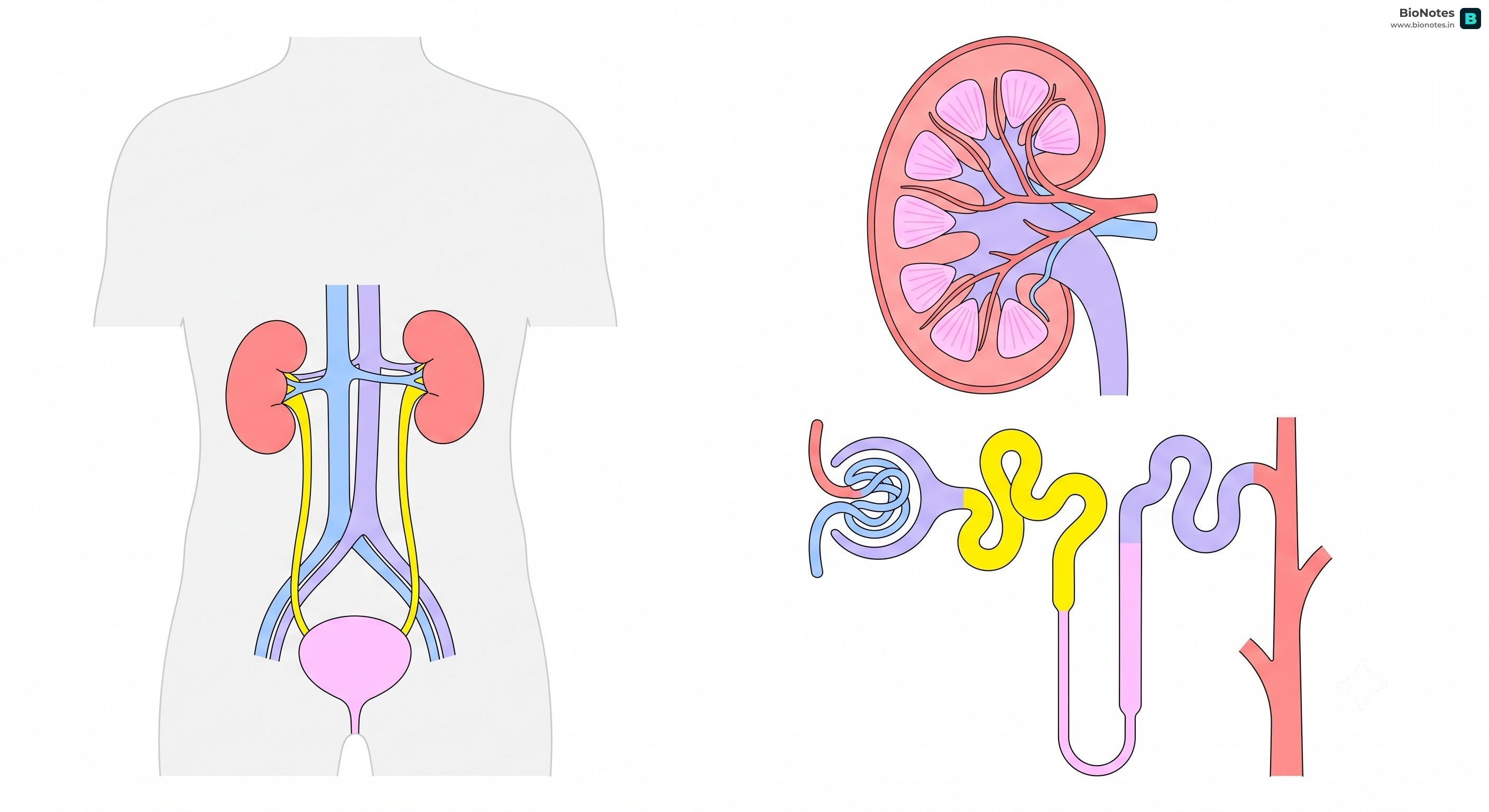
E. The Excretory System

  • Function: Removing metabolic waste products from the blood.
  • Key Organs: Kidneys, ureters, urinary bladder, and urethra.

F. The Nervous System

  • Function: Controlling and coordinating body activities and responding to stimuli.
  • Key Organs: Brain, spinal cord, and nerves.

3. The Vital Organs

Certain organs are considered "vital" because they are essential for survival:

  1. Brain: The control center of the nervous system.
  2. Heart: Pumps blood throughout the body.
  3. Lungs: Facilitate breathing and gas exchange.
  4. Liver: Filters blood and produces bile for digestion.
  5. Kidneys: Filter blood to produce urine.

4. Key Physiological Processes

Digestion and Absorption

The process by which food is chemically broken down and nutrients are taken into the bloodstream.

Respiration

The process of releasing energy from glucose in the presence of oxygen.

Circulation

The continuous flow of blood carrying essential substances to all parts of the body.

Excretion

The removal of toxic substances like urea and excess salts from the body.

Homeostasis The body maintains a constant internal temperature (around 37°C) and water balance regardless of external conditions. This process is called Homeostasis.


5. Summary Table: System Functions

Organ SystemPrimary RoleKey Biological Concept
DigestiveNutrient IntakeMetabolism
RespiratoryGas ExchangeDiffusion
CirculatoryInternal TransportPumping Mechanism
ExcretoryWaste RemovalFiltration
NervousCoordinationSignal Transmission
Location:/Class-7/Human_Anatomy_and_Physiology.mdx

Created by Titas Mallick

Biology Teacher • M.Sc. Botany • B.Ed. • CTET Qualified • 10+ years teaching experience