Class 12
Created by Titas Mallick
Biology Teacher • M.Sc. Botany • B.Ed. • CTET (CBSE) • CISCE Examiner
 BioNotes
Created by Titas Mallick
Biology Teacher • M.Sc. Botany • B.Ed. • CTET (CBSE) • CISCE Examiner
Online
Note on Molecular Basis of Inheritance
Common Misconceptions
Watch Out! Molecular biology requires precision at the nanoscale:
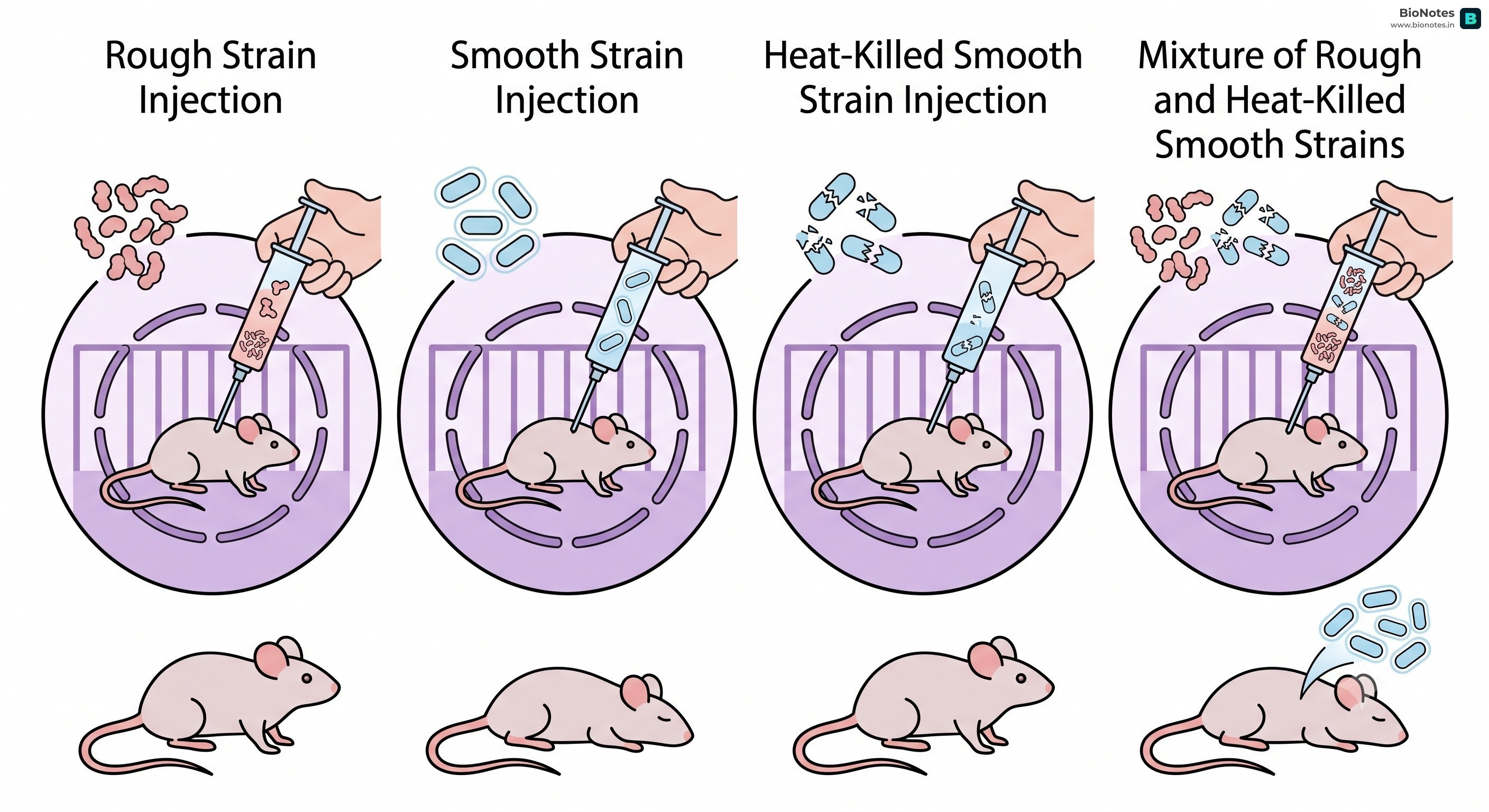 www.bionotes.in
Avery, MacLeod, and McCarty Experiment (1933-1944):
Hershey-Chase Experiment (1952):
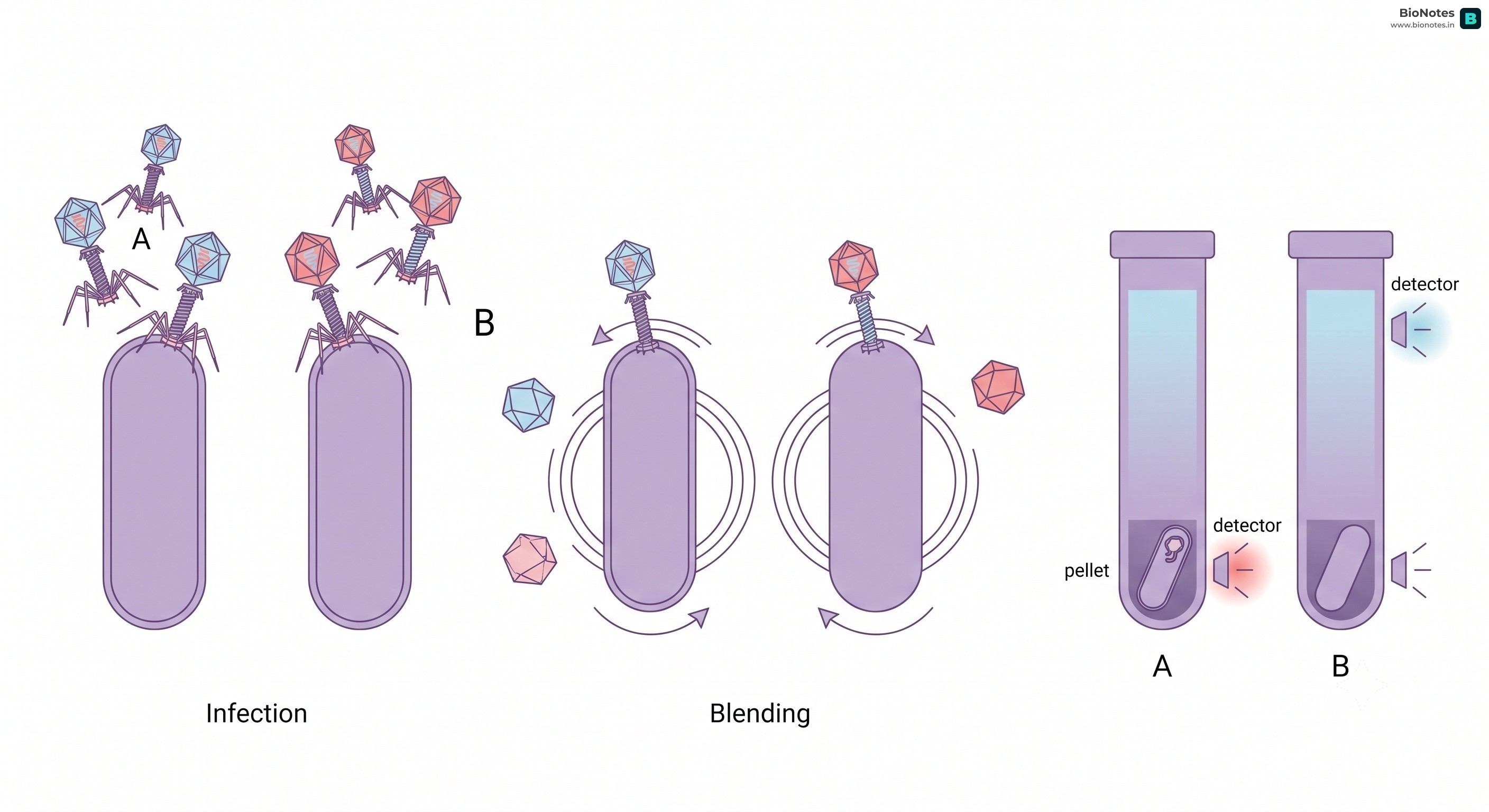 www.bionotes.in
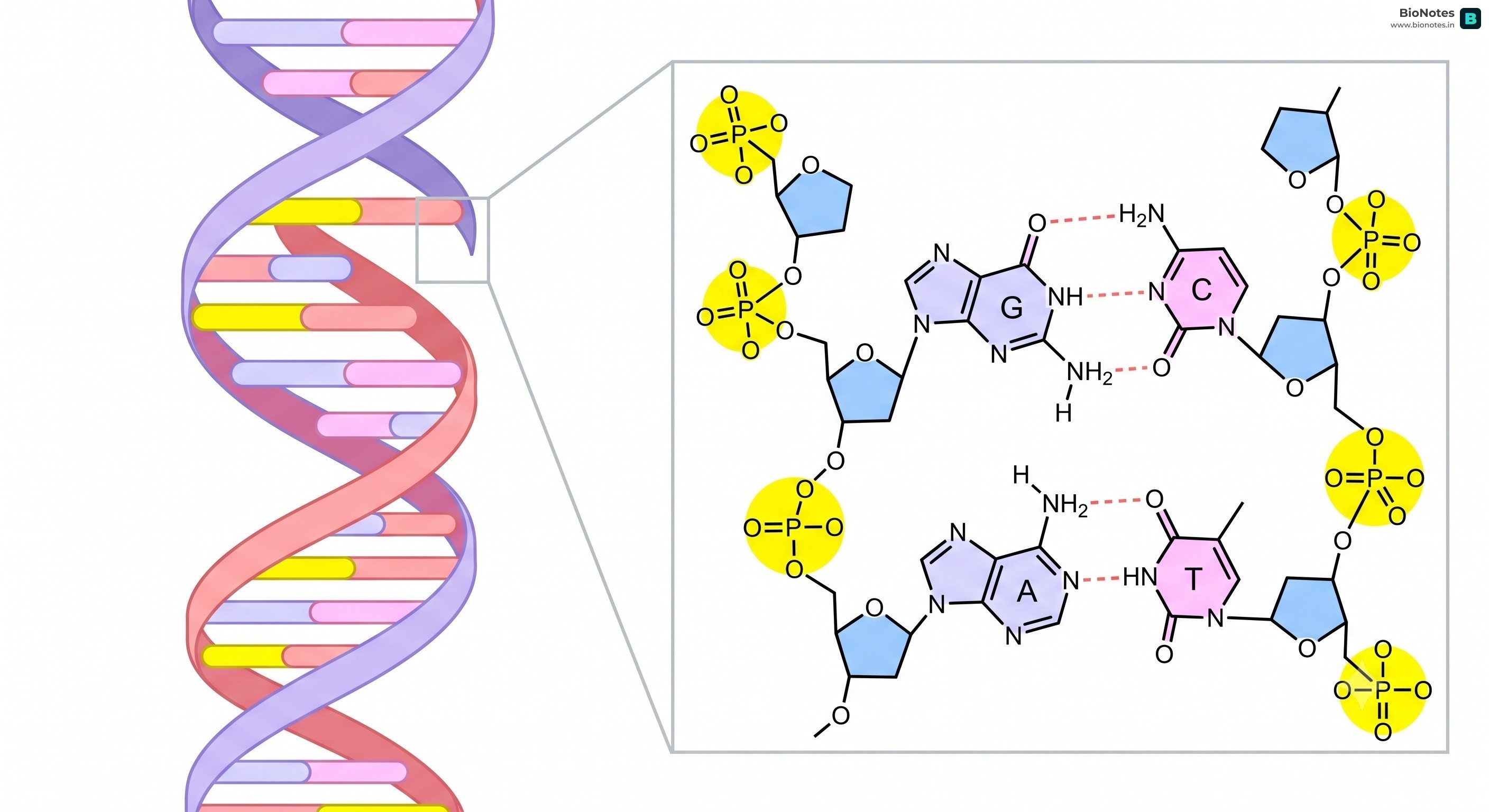 www.bionotes.in
Did You Know? The total length of DNA in a single human cell is about 2 meters! If you uncoiled all the DNA in your body and stretched it out, it would reach the Moon and back several times.
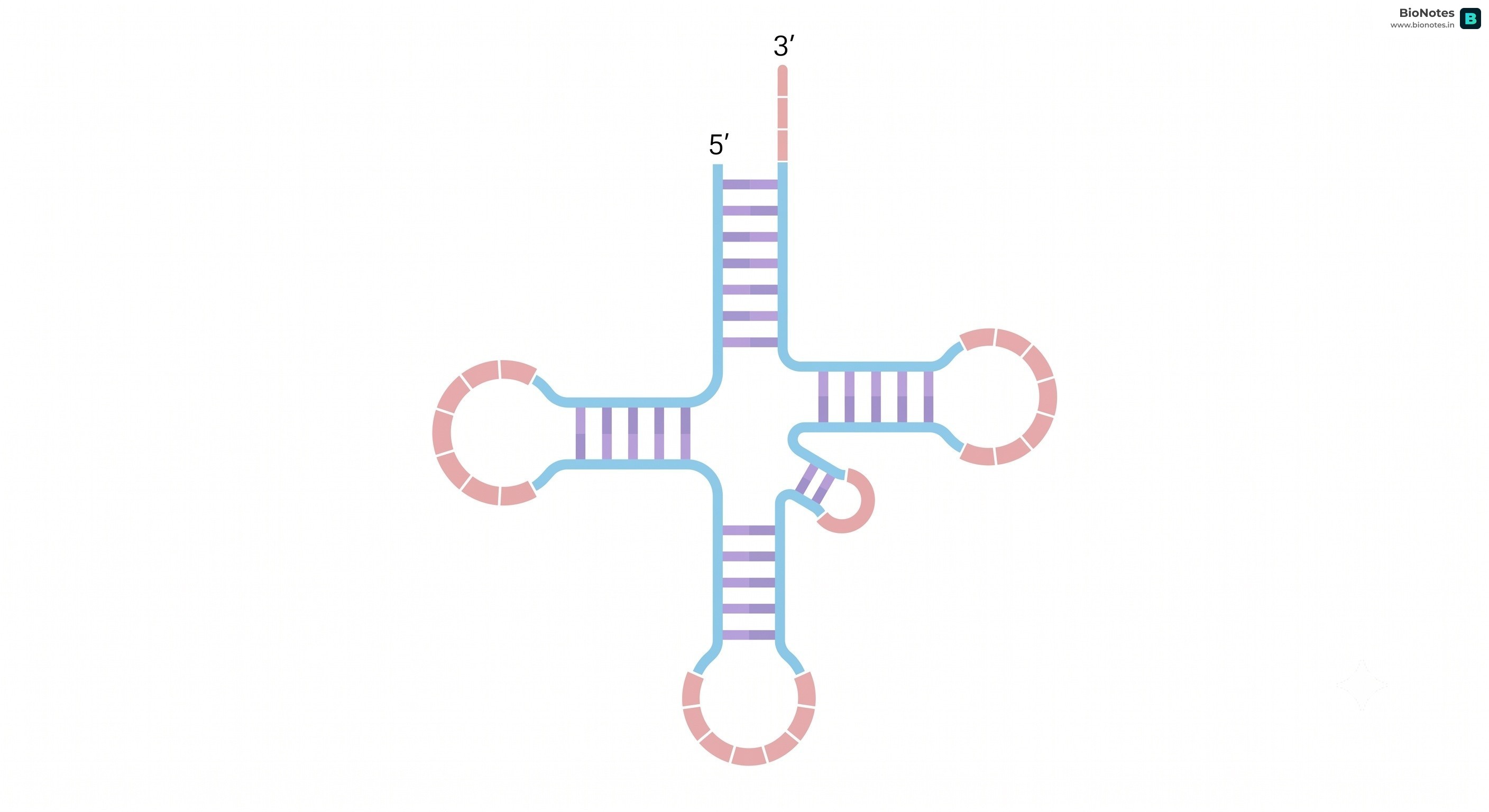 www.bionotes.in
| Feature | DNA | RNA |
|---|---|---|
| Sugar | Deoxyribose | Ribose |
| Bases | Adenine, Guanine, Cytosine, Thymine | Adenine, Guanine, Cytosine, Uracil |
| Strands | Double-stranded | Single-stranded (mostly) |
| Function | Genetic material, stores genetic information | Involved in protein synthesis, can be genetic material in some viruses |
| Stability | More stable | Less stable, more reactive |
| Location | Nucleus, mitochondria, chloroplasts | Cytoplasm, ribosomes, nucleus |
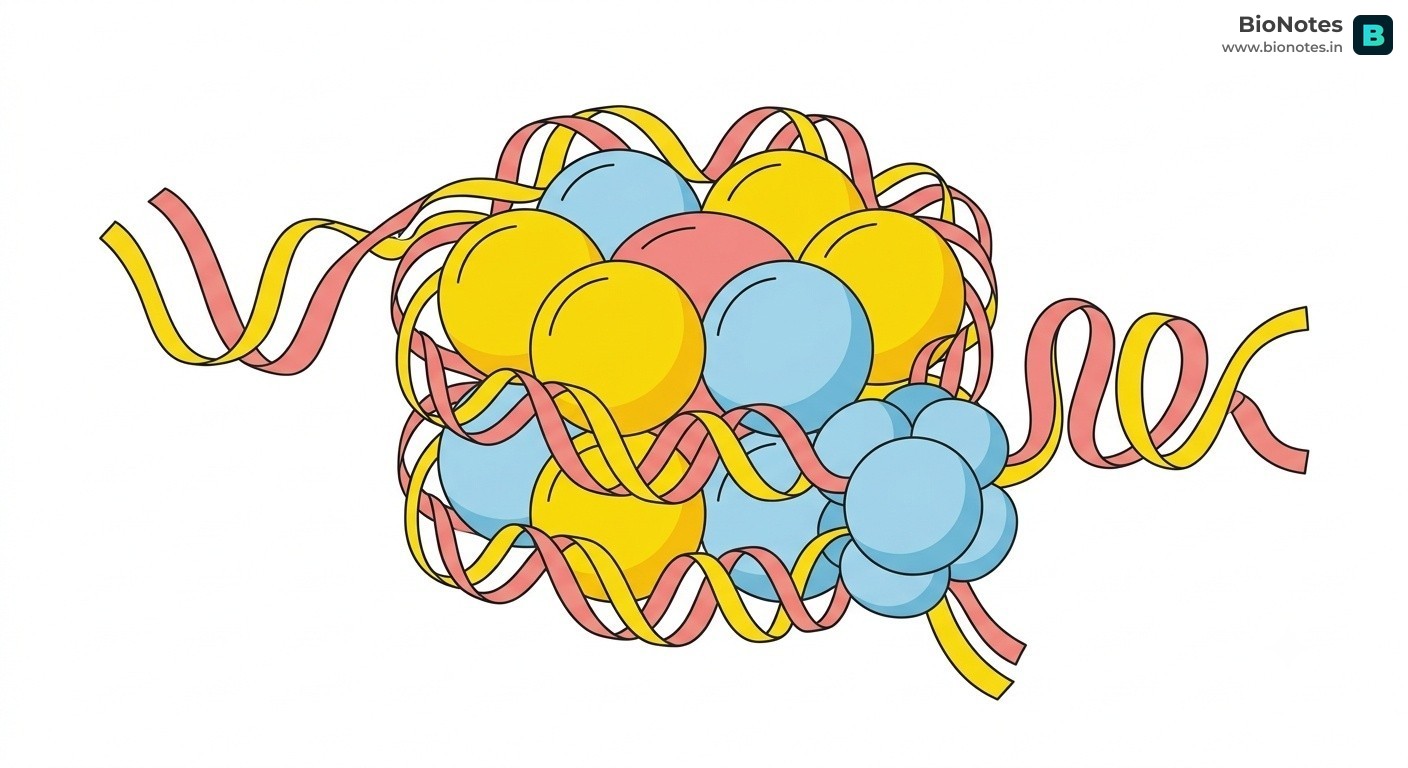 www.bionotes.in
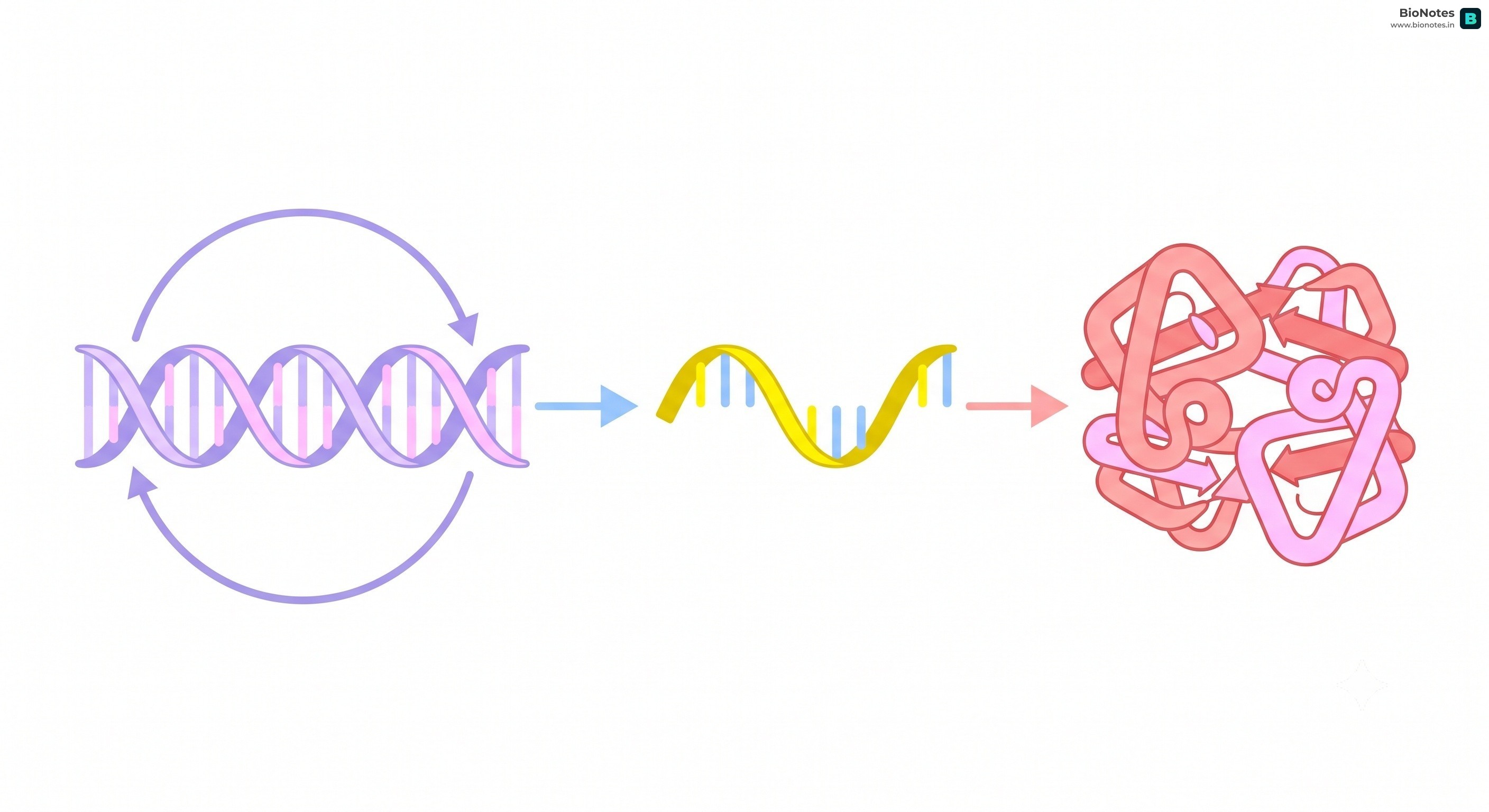 www.bionotes.in
Key Concept: The Flow of Information While the Central Dogma is the standard, remember that Reverse Transcription (RNA DNA) is a critical exception found in retroviruses like HIV.
RNA → DNA (Reverse Transcription) → RNA → Protein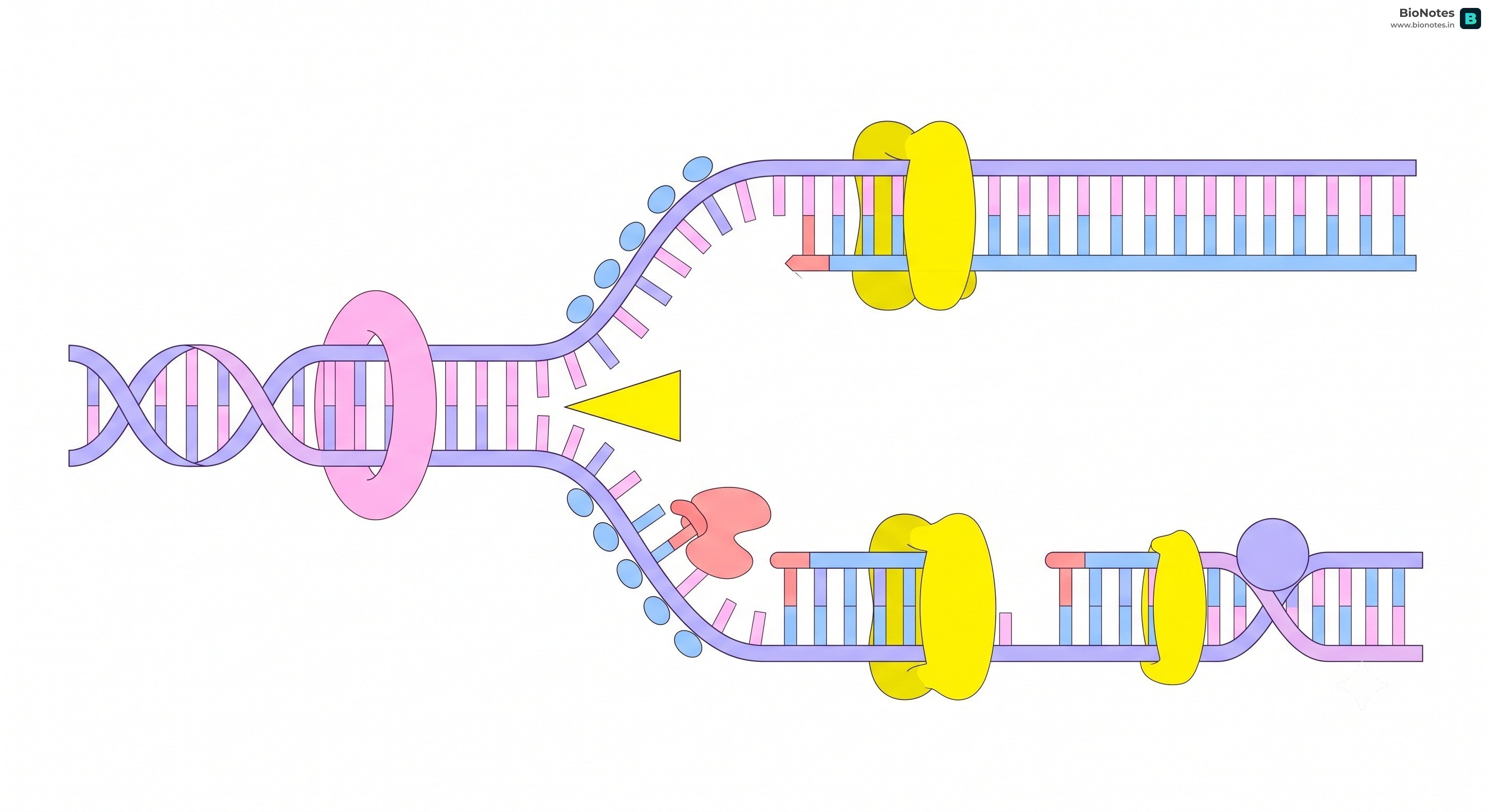 www.bionotes.in
Did You Know? DNA replication is incredibly fast! In E. coli, it happens at a rate of about 2,000 base pairs per second. This means the entire genome is copied in less than 40 minutes.
 www.bionotes.in
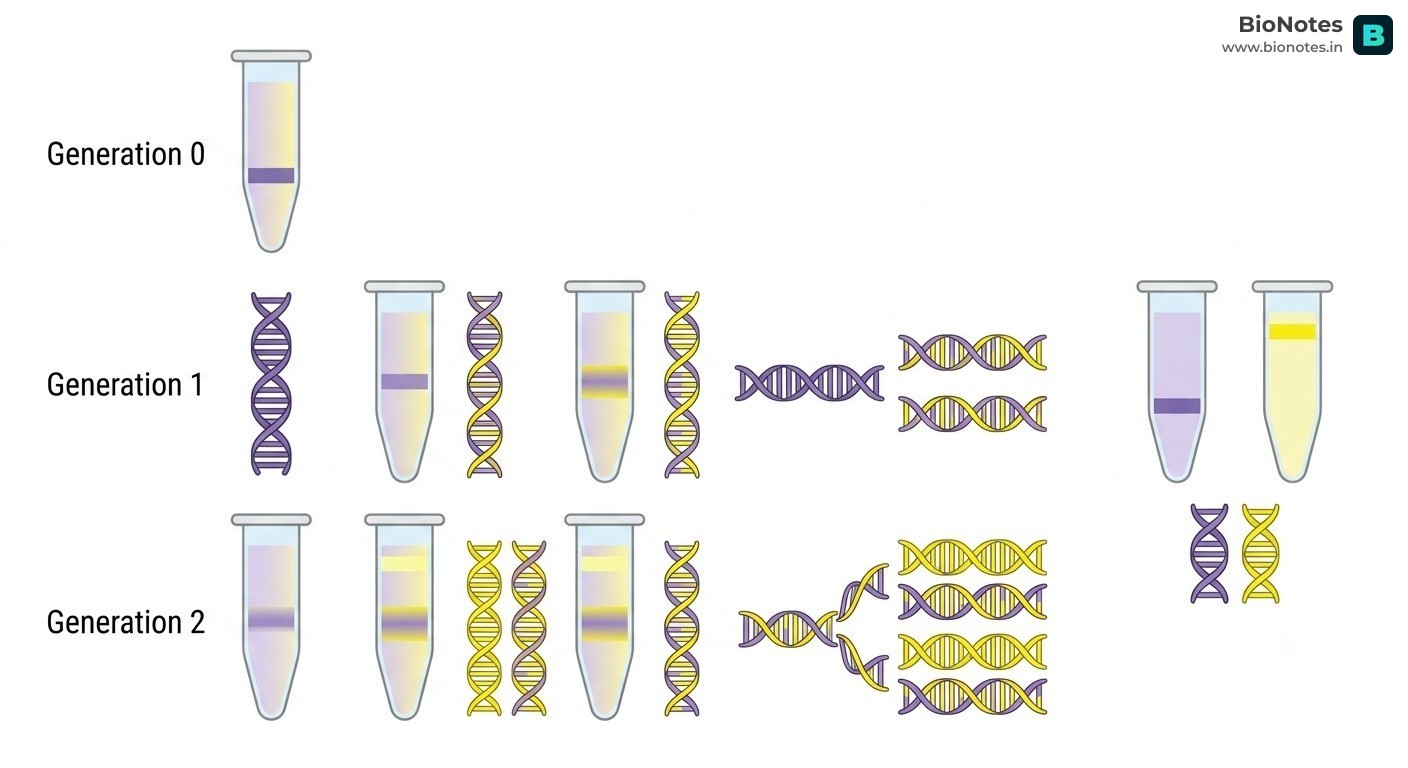
They grew E. coli in a medium containing ¹⁵N (heavy isotope of nitrogen) for several generations, so that ¹⁵N was incorporated into the bacterial DNA.
Then, they transferred the bacteria to a medium containing ¹⁴N (light isotope of nitrogen).
After one generation, the DNA was extracted and centrifuged in a CsCl density gradient. They found an intermediate hybrid band (¹⁵N-¹⁴N).
After two generations, they found two bands: one hybrid (¹⁵N-¹⁴N) and one light (¹⁴N-¹⁴N).
This confirmed the semi-conservative nature of DNA replication.
Enzymes and Proteins Involved in DNA Replication:
Competitive Edge: The "Coding Strand" Trap During transcription, RNA polymerase reads the Template Strand (3' 5'). The other strand is called the Coding Strand (5' 3'). It is a trap because the Coding strand does NOT code for RNA—it just has the exact same sequence as the newly made RNA (with Thymine instead of Uracil).
Competitive Edge: The 3 Eukaryotic RNA Polymerases A classic MCQ trap! Remember this mapping:
The Dual-Purpose Codon AUG is the most important codon in the genetic code. It has two functions: it codes for the amino acid Methionine and it acts as the Start Codon, telling the ribosome where to begin building the protein.
Universal Language The fact that the genetic code is universal (the same in a bacterium, a tree, and a human) is powerful evidence that all living organisms on Earth share a common ancestor.
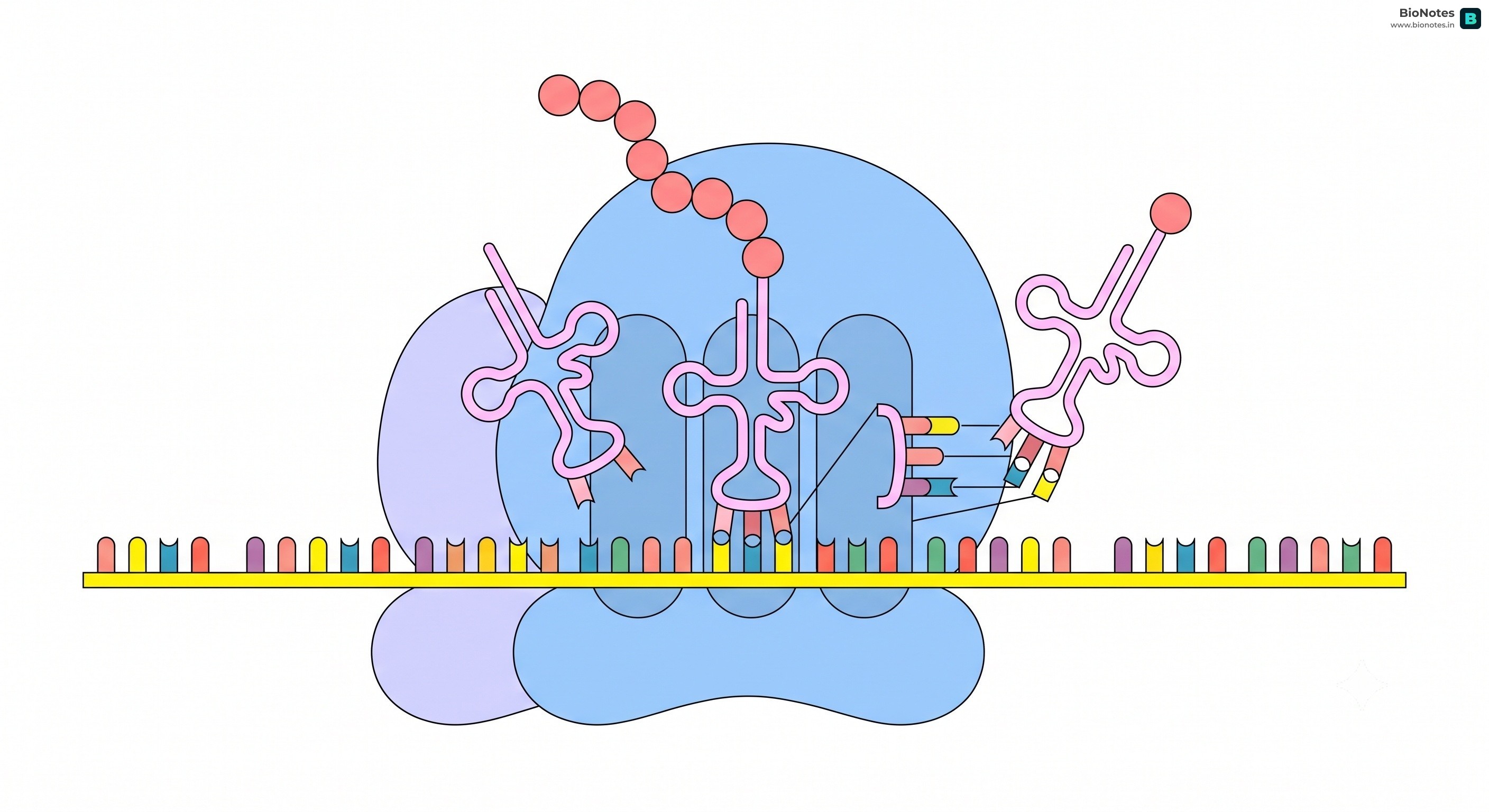 www.bionotes.in
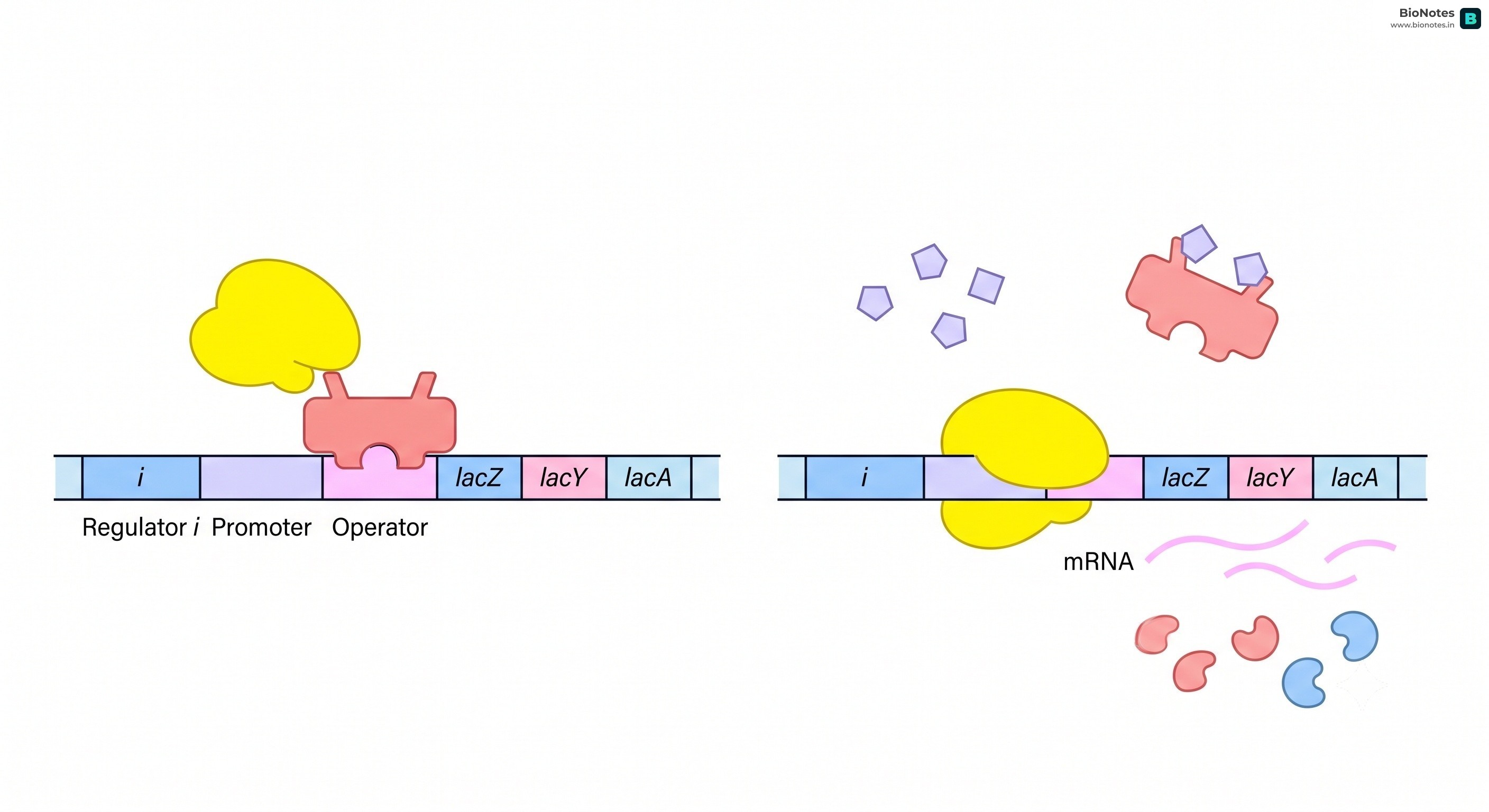 www.bionotes.in
NGSS-HS-LS1-1AQA-ALevel-3.1.5IB-Biology-7.1