Introduction to Organic Farming and Biofertilizers Nitrogen Fixing Bacteria as Biofertilizers Cyanobacteria (Blue-Green Algae) Mycorrhizal Associations Phosphate, Potash and Zinc Solubilizing Microbes Biopesticides Practical Applications
Definition : Organic farming is an agricultural system that relies on ecosystem management rather than external agricultural inputs. It is a holistic production management system that promotes and enhances agro-ecosystem health, including biodiversity, biological cycles, and soil biological activity.
Key Principles of Organic Farming :
Maintenance and enhancement of soil fertility through biological processes
Minimal use of synthetic chemicals
Sustainable crop rotation and integrated pest management
Conservation of biodiversity and natural resources
Animal welfare considerations
Components of Organic Farming System :
Soil Management
Organic matter enhancement through compost and green manures
Biological nitrogen fixation
Mycorrhizal associations for nutrient uptake
Minimal soil disturbance practices
Crop Management
Diverse crop rotations
Intercropping and companion planting
Use of resistant varieties
Biological pest and disease control
Nutrient Management
Biofertilizers as primary nutrient sources
Organic amendments (compost, manure)
Nutrient cycling through crop residues
Green manuring practices
Definition : Biofertilizers are substances containing living microorganisms that, when applied to seeds, plant surfaces, or soil, colonize the rhizosphere or the interior of the plant and promote growth by increasing the supply or availability of primary nutrients to the host plant.
Classification of Biofertilizers :
Based on Nutrient Supply :
Nitrogen-fixing biofertilizers
Phosphorus-solubilizing biofertilizers
Potassium-releasing biofertilizers
Multi-nutrient biofertilizers
Based on Microorganism Type :
Bacterial biofertilizers
Fungal biofertilizers
Algal biofertilizers
Composite biofertilizers
Advantages of Biofertilizers :
Environmentally friendly and sustainable
Cost-effective compared to chemical fertilizers
Improve soil health and structure
Enhance plant immunity and stress tolerance
Reduce chemical fertilizer dependency
Increase crop yield and quality
Long-term soil fertility maintenance
Production Process :
Culture Maintenance
Pure culture isolation and characterization
Strain selection based on efficiency
Preservation in culture collections
Quality control of mother cultures
Fermentation Technology
Medium preparation and sterilization
Inoculation and controlled fermentation
Monitoring of growth parameters
Harvest at optimal cell density
Formulation Development
Selection of appropriate carriers
Cell concentration standardization
Addition of nutrients and protectants
Packaging in suitable containers
Quality Control Measures
Microbial count verification
Contamination testing
Viability assessment
Field efficacy evaluation
Carrier Materials Used :
Peat-based carriers
Lignite-based carriers
Charcoal-based carriers
Vermiculite carriers
Liquid formulations
Interactive Diagram • study Mode
Study Quiz | Save Image | Save Diagram
www.bionotes.in General Characteristics :
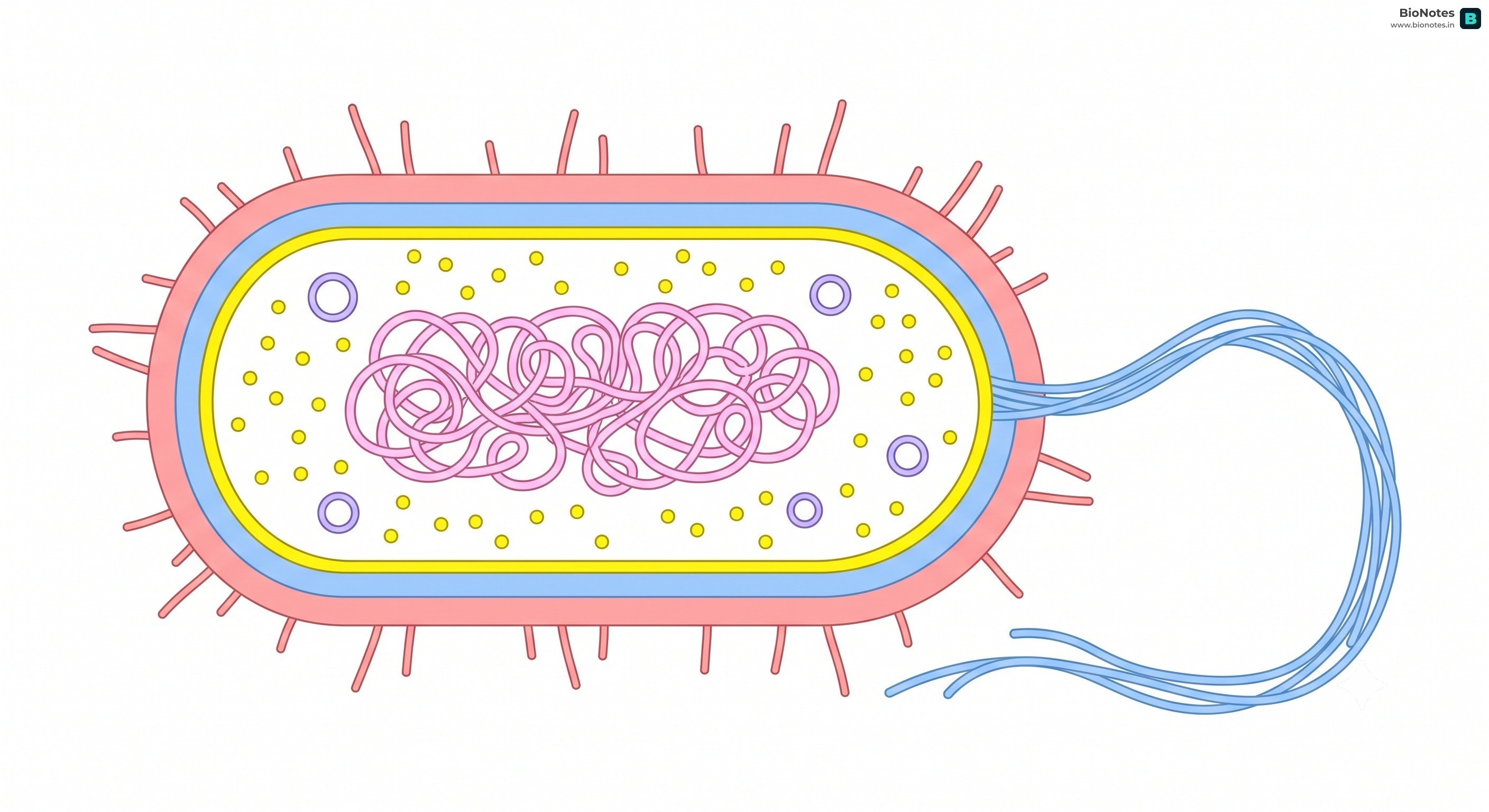
Gram-negative, rod-shaped bacteria
Aerobic to microaerophilic
Motile with polar or subpolar flagella
Form characteristic root nodules in leguminous plants
Isolation and Identification :
Isolation Procedure :
Collection of fresh, pink, healthy nodules from legume roots
Surface sterilization with 0.1% HgCl₂ or 70% ethanol
Crushing nodules in sterile water
Streaking on Yeast Extract Mannitol Agar (YEMA)
Incubation at 28±2°C for 3-5 days
Selection of characteristic colonies
Identification Characteristics :
Colony morphology: circular, convex, mucoid, translucent
Gram reaction: negative
Catalase: positive
Oxidase: positive
Motility: positive
Acid/alkali production on YEMA with bromothymol blue
Species-Specific Host Range :
R. leguminosarum - pea, lentil, vetchR. trifolii - clover speciesR. meliloti - alfalfa, sweet cloverR. phaseoli - common beanR. japonicum - soybeanR. lupini - lupine
Mass Production Protocol :
Seed Culture Preparation
Inoculate selected strain in YEM broth
Incubate at 28°C for 24-48 hours
Check for proper growth and purity
Production Medium
Yeast Extract Mannitol broth
pH adjusted to 7.0-7.2
Sterilization at 121°C for 15 minutes
Fermentation Process
Inoculation with 2-5% seed culture
Incubation at 28±2°C for 5-7 days
Maintain adequate aeration
Monitor cell count (10⁸-10⁹ cells/ml)
Carrier-Based Formulation
Mix bacterial suspension with sterilized carrier
Maintain moisture content at 40-60%
Package in polyethylene bags
Store at 4°C
Field Application Methods :
Seed treatment: 10g biofertilizer per kg seed
Soil application: 250-500g per hectare
Seedling root dip treatment
Broadcasting with organic matter
Mechanism of Action :
Root hair infection and nodule formation
Bacteroid differentiation within nodules
The Oxygen Scavenger
The pink color of healthy root nodules is due to Leghaemoglobin . This protein is a "scavenger" that binds to oxygen, ensuring that the nitrogenase enzyme (which is poisoned by oxygen) can work in an anaerobic environment.
Nitrogenase enzyme complex activation
Atmospheric nitrogen fixation (N₂ → NH₃)
Ammonia assimilation into amino acids
Transport to plant tissues
General Characteristics :
Gram-negative, vibrioid to spirilloid bacteria
Microaerophilic nitrogen-fixing bacteria
Motile with polar flagella
Free-living but associative with plant roots
Important Species :
Azospirillum brasilense Azospirillum lipoferum Azospirillum amazonense Azospirillum halopraeferens
Isolation Procedure :
Collection of root samples from cereals/grasses
Serial dilution in sterile water
Plating on nitrogen-free malate medium
Incubation at 30°C for 2-7 days
Selection of characteristic colonies
Identification Tests :
Growth on nitrogen-free medium
Nitrate reduction test
Catalase and oxidase positive
Motility in semi-solid medium
Pellicle formation in NFb medium
Mass Production :
Medium Composition (NFb Medium) :
Malic acid: 5.0g
K₂HPO₄: 0.5g
FeSO₄.7H₂O: 0.05g
MnSO₄.4H₂O: 0.01g
MgSO₄.7H₂O: 0.2g
NaCl: 0.02g
CaCl₂.2H₂O: 0.01g
Na₂MoO₄.2H₂O: 0.002g
Bromothymol blue: 0.08g
Agar: 1.75g
Water: 1000ml, pH: 6.8
Carrier-Based Inoculant Formulation :
Cell count: 10⁸ viable cells/g carrier
Moisture content: 40-60%
pH: 6.5-7.5
Shelf life: 6 months at 4°C
Field Application :
Seed treatment: 20g/kg seed
Soil application: 500g/ha
Compatible with other biofertilizers
Benefits to Plants :
Nitrogen fixation (20-40 kg N/ha)
Production of plant growth hormones (IAA, gibberellins)
Enhanced root development
Improved nutrient and water uptake
Disease resistance enhancement
Stress tolerance improvement
General Characteristics :
Gram-negative, large, oval bacteria
Strictly aerobic
Non-motile or motile with peritrichous flagella
Form cysts under adverse conditions
Produces large amounts of slime
Species of Agricultural Importance :
Azotobacter chroococcum - most commonAzotobacter vinelandii Azotobacter beijerinckii Azotobacter nigricans
Isolation and Identification :
Isolation Medium (Ashby's Medium) :
Mannitol: 20g
K₂HPO₄: 0.2g
MgSO₄.7H₂O: 0.2g
NaCl: 0.2g
K₂SO₄: 0.1g
CaCO₃: 5.0g
FeSO₄.7H₂O: trace
Na₂MoO₄.2H₂O: trace
Water: 1000ml
Identification Characteristics :
Large, slimy, raised colonies
Nitrogen fixation in nitrogen-free medium
Catalase positive
Cyst formation
Pigment production (some species)
Classification and Host Specificity :
Crop response varies with species
A. chroococcum : cereals, vegetables, fruitsA. vinelandii : sugarcane, cottonMaintenance and mass multiplication protocols
Mass multiplication in suitable liquid medium
Mass Production Process :
Inoculum Preparation
Pure culture maintenance on Ashby's agar
Transfer to liquid Ashby's medium
Incubate at 28±2°C for 48-72 hours
Production Medium
Modified Ashby's medium without CaCO₃
pH adjusted to 7.0-7.2
Adequate aeration required
Fermentation Conditions
Temperature: 28±2°C
Aeration: 1-2 vvm
Agitation: 150-200 rpm
Duration: 5-7 days
Target cell density: 10⁸-10⁹ cells/ml
Benefits to Agriculture :
Fixes 20-40 kg nitrogen per hectare annually
Produces growth promoting substances
Improves soil structure through slime production
Enhances seed germination
Increases crop yield by 10-15%
Suppresses plant pathogens
Definition : Cyanobacteria are prokaryotic, photosynthetic microorganisms capable of oxygenic photosynthesis and nitrogen fixation. They are often called blue-green algae due to their pigmentation.
Morphological Features :
Unicellular or multicellular filamentous forms
Presence of specialized cells (heterocysts) for nitrogen fixation
Photosynthetic pigments: chlorophyll a, phycocyanin, phycoerythrin
Cell wall composed of peptidoglycan
Gas vacuoles for buoyancy regulation
Classification of Agriculturally Important Genera :
Anabaena
Filamentous with heterocysts
A. variabilis , A. cylindrica , A. azollae Excellent nitrogen fixers
Nostoc
Colonial, gelatinous forms
N. muscorum , N. commune Tolerant to desiccation
Aulosira
Unbranched filaments
A. fertilissima Common in rice fields
Tolypothrix
Branched filaments
T. tenuis Efficient in alkaline soils
Nature of Association :
Obligate mutualistic symbiosis
Anabaena azollae resides in dorsal leaf cavities of AzollaPermanent association throughout Azolla's life cycle
Azolla Species of Agricultural Importance :
Azolla pinnata - tropical regionsAzolla filiculoides - temperate regionsAzolla caroliniana - warm temperate zonesAzolla mexicana - subtropical areas
Nitrogen Fixation Mechanism :
Heterocysts provide anaerobic environment
Nitrogenase enzyme complex functions optimally
Fixed nitrogen shared between partners
Photosynthetic products from Azolla support Anabaena
Cultivation and Management :
Growth Requirements :
Temperature: 20-30°C (optimal 25°C)
pH: 4.5-7.0 (optimal 5.5-6.5)
Light intensity: 25-50% of full sunlight
Nutrient requirements: P, K, Fe, Mo
Cultivation Methods :
Pond/Tank Cultivation
Lined ponds of 1m depth
Initial inoculum: 200-500g fresh weight/m²
Nutrient solution addition
Harvesting every 10-15 days
Field Cultivation
Flooded rice fields before transplanting
Mixed cultivation with rice
Green manure incorporation
Benefits in Rice Cultivation :
Nitrogen contribution: 20-60 kg N/ha/season
Reduces chemical fertilizer requirement by 30-50%
Improves soil organic matter
Controls weeds in rice fields
Enhances soil microbial activity
Species Used as Biofertilizers :
Anabaena variabilis Nostoc muscorum Aulosira fertilissima Calothrix species Tolypothrix tenuis
Mass Production Technology :
Laboratory Scale Production
Pure culture maintenance
Growth in defined media (BG-11, Chu-10)
Controlled environmental conditions
Biomass harvesting and processing
Field Scale Production
Shallow ponds or tanks
Natural or artificial media
Outdoor cultivation systems
Continuous or batch culture methods
BG-11 Medium Composition (per liter):
NaNO₃: 1.5g
K₂HPO₄: 0.04g
MgSO₄.7H₂O: 0.075g
CaCl₂.2H₂O: 0.036g
Citric acid: 0.006g
Ferric ammonium citrate: 0.006g
EDTA (Na₂): 0.001g
Na₂CO₃: 0.02g
Trace metal solution: 1ml
Application Methods in Rice Fields :
Pre-flooding Application
Apply dried algal biomass before flooding
Rate: 10-15 kg/ha
Incorporate into soil
Post-flooding Application
Inoculate in standing water
Allow natural multiplication
Supplement with phosphorus
Dual Inoculation
Combined with other biofertilizers
Azolla-BGA combination
Enhanced nitrogen fixation
Benefits and Limitations :
Benefits :
Nitrogen fixation: 25-30 kg N/ha/season
Soil organic matter improvement
Oxygen production during photosynthesis
pH buffering capacity
Weed suppression
Cost-effective and sustainable
Limitations :
Climate-dependent growth
Pest susceptibility (insects, fish)
Competition with weeds
pH sensitivity
Seasonal availability
Definition : Mycorrhiza (fungus-root) is a mutually beneficial symbiotic association between fungi and plant roots, facilitating enhanced nutrient and water uptake.
Classification Based on Morphology and Anatomy :
Ectomycorrhizae (ECM)
External fungal mantle around root tips
Hartig net between cortical cells
No intracellular penetration
Associated with trees (conifers, hardwoods)
Endomycorrhizae
Intracellular fungal penetration
No external mantle formation
Direct nutrient transfer
Ericoid Mycorrhizae
Associated with Ericaceae family
Dense hyphal coils in cortical cells
Acid soil adaptation
Orchid Mycorrhizae
Specific to orchid species
Fungal pellets in cortical cells
Essential for seed germination
General Characteristics :
Most widespread mycorrhizal type
Associated with 80% of plant families
Obligate biotrophs - cannot be cultured axenically
Zygomycetous fungi (Phylum: Glomeromycota)
Important VAM Genera and Species :
Glomus spp. (G. mosseae , G. fasciculatum , G. intraradices )Gigaspora spp. (G. margarita , G. rosea )Acaulospora spp. (A. laevis , A. scrobiculata )Scutellospora spp. (S. calospora , S. heterogama )
Morphological Features :
Vesicles
Oval to spherical structures
Storage organs containing lipids and nutrients
Formed in intercellular spaces
Arbuscules
Highly branched, tree-like structures
Primary sites of nutrient exchange
Formed inside cortical cells
Short-lived (4-15 days)
Spores
Reproductive propagules
Species identification markers
Survival structures in adverse conditions
Hyphae
External mycelium extending into soil
Internal mycelium within roots
Connect multiple plants (common mycorrhizal networks)
Mechanism of Phosphorus Uptake :
Extended hyphal network increases root surface area
Access to immobile phosphorus beyond root depletion zone
Conversion of unavailable P forms to plant-available forms
Enhanced phosphatase enzyme activity
Nutrient Transfer Process :
Hyphal uptake of phosphorus from soil
Translocation to fungal structures in roots
Transfer at arbuscule-plant cell interface
Plant provides carbohydrates to fungus
Benefits to Plant Growth and Yield :
Direct Benefits :
Enhanced phosphorus uptake (2-10 fold increase)
Improved nitrogen uptake
Increased micronutrient absorption (Zn, Cu, Fe, Mn)
Better water relations and drought tolerance
Indirect Benefits :
Improved soil structure through hyphal binding
Enhanced disease resistance
Increased root branching and development
Better establishment in poor soils
Crop Response Studies :
Cereals: 10-25% yield increase
Legumes: 15-40% yield improvement
Vegetables: 20-50% growth enhancement
Tree crops: Better establishment and survival
Root Colonization Process :
Pre-symbiotic Phase
Spore germination triggered by root exudates
Hyphal growth toward root surface
Recognition of compatible host
Symbiotic Phase
Appressorium formation on root surface
Penetration through epidermis
Colonization of cortical tissues
Arbuscule and vesicle formation
Factors Affecting Colonization :
Soil phosphorus levels (high P reduces colonization)
Soil pH (optimal 6.0-7.0)
Temperature (20-30°C optimal)
Soil moisture content
Presence of other microorganisms
Host plant species and genotype
VAM Inoculum Production Methods :
1. Pot Culture Method :
Sterilized soil-sand mixture (1:1)
Host plants: maize, sorghum, sudan grass
Initial inoculum introduction
3-4 months growing period
Harvest includes spores, colonized roots, soil
2. Aeroponic Culture System :
Nutrient film technique adaptation
Continuous nutrient supply
Better aeration to roots
Higher spore production
Easier harvesting
3. In-vitro Root Culture :
Transformed carrot or tomato roots
Controlled environmental conditions
Axenic culture maintenance
Research applications primarily
Quality Control Parameters :
Spore count: minimum 100 spores/g
Viability testing: >85% germination
Contamination check: bacteria, fungi, nematodes
Infectivity potential assessment
Inoculum Application Methods :
Soil application: 10-20g per plant
Seed coating: 10g per kg seed
Root dipping: 2% suspension
Transplant treatment: soil mix application
Commercial Production Considerations :
Standardized production protocols
Quality assurance systems
Cost-effective packaging
Shelf-life optimization (6-12 months)
Field efficacy validation
Importance of Phosphorus in Plants :
Essential macronutrient (1-5% of plant dry weight)
Component of ATP, DNA, RNA, phospholipids
Energy transfer and storage
Root development and flowering
Seed formation and maturity
Soil Phosphorus Status :
Total P in soils: 200-5000 mg/kg
Available P: usually <10 mg/kg
Fixed in insoluble forms (Ca-P, Al-P, Fe-P)
Continuous fertilizer application creates residual P
Types of Phosphate Solubilizing Microorganisms :
1. Bacterial PSM :
Pseudomonas species (P. striata , P. fluorescens )Bacillus species (B. megaterium , B. circulans )Enterobacter speciesSerratia marcescens Rhizobium species
2. Fungal PSM :
Aspergillus species (A. niger , A. awamori )Penicillium species (P. bilaii , P. radicum )Trichoderma speciesFusarium species
Mechanisms of Phosphate Solubilization :
1. Organic Acid Production :
Gluconic acid, citric acid, oxalic acid, succinic acid
Lower soil pH and chelate metal cations
Release P from metal-phosphate complexes
2. Inorganic Acid Production :
Carbonic acid, nitric acid, sulfuric acid
Direct dissolution of phosphate minerals
3. Enzyme Production :
Phosphatases (acid and alkaline)
Phytases for organic phosphorus
C-P lyases for organophosphonates
Isolation and Identification :
Selective Media :
Pikovskaya's medium with tricalcium phosphate
NBRIP medium (National Botanical Research Institute's Phosphate growth medium)
Modified Pikovskaya's agar
NBRIP Medium Composition (per liter):
Glucose: 10g
Ca₃(PO₄)₂: 5g
MgCl₂.6H₂O: 5g
MgSO₄.7H₂O: 0.25g
KCl: 0.2g
(NH₄)₂SO₄: 0.1g
Agar: 15g
pH: 7.0
Identification Tests :
Clear zone formation around colonies
Quantitative P solubilization assay
pH reduction in liquid medium
Organic acid analysis (HPLC)
Mass Production and Formulation :
Production Medium :
King's B broth for Pseudomonas
Nutrient broth for Bacillus
Potato dextrose broth for fungi
Formulation Types :
Carrier-based: lignite, peat, vermiculite
Liquid formulations: broth cultures with preservatives
Granular formulations: with organic matrices
Definition : PGPR are free-living bacteria that actively colonize plant roots and benefit plants through various direct and indirect mechanisms.
Classification of PGPR :
1. Based on Colonization Pattern :
Extracellular PGPR (ePGPR): colonize root surface
Intracellular PGPR (iPGPR): colonize root interior
2. Based on Oxygen Requirement :
Aerobic PGPR
Facultative anaerobic PGPR
Important PGPR Genera :
Pseudomonas speciesBacillus speciesAzotobacter speciesAzospirillum speciesEnterobacter speciesBurkholderia species
Direct Mechanisms of Growth Promotion :
1. Phytohormone Production :
Indole-3-acetic acid (IAA): root elongation, lateral root development
Gibberellins: stem elongation, leaf expansion
Cytokinins: cell division, shoot development
Abscisic acid: stress tolerance
2. Nutrient Mobilization :
Phosphate solubilization
Potassium solubilization
Zinc solubilization
Iron acquisition through siderophores
3. Enzyme Production :
ACC deaminase: reduces plant ethylene levels
Phosphatases: organic phosphorus mineralization
Cellulases: organic matter decomposition
Indirect Mechanisms :
1. Biocontrol Activities :
Antibiotic production
Antifungal metabolite synthesis
Competition for nutrients and space
Induced systemic resistance
2. Stress Alleviation :
Osmolyte production
Antioxidant enzyme induction
Heavy metal tolerance
Salt stress mitigation
Potassium Status in Soils :
Total K in soils: 0.04-3.0%
Available K: usually 50-300 ppm
Fixed in mica, feldspar, illite minerals
Slow release from mineral weathering
Potassium Solubilizing Bacteria (KSB) :
Bacillus mucilaginosus Bacillus circulans Pseudomonas speciesPaenibacillus speciesAcidithiobacillus ferrooxidans
Mechanisms of K Solubilization :
Organic acid production (gluconic, citric, tartaric)
Polysaccharide production
Chelation of metal ions
Proton pump activation
Benefits to Plants :
Enhanced K uptake and translocation
Improved water relations
Increased photosynthetic efficiency
Better stress tolerance
Improved fruit quality
Zinc Importance :
Essential micronutrient
Enzyme activation and protein synthesis
Auxin metabolism
Chlorophyll formation
Zinc Availability Issues :
Fixed in carbonate and oxide forms
pH-dependent availability
Deficiency common in calcareous soils
Zinc Solubilizing Bacteria :
Pseudomonas speciesBacillus speciesGluconobacter speciesPaenibacillus species
Solubilization Mechanisms :
Organic acid production
Chelation reactions
pH modification
Reduction reactions
Field Applications and Benefits :
Enhanced zinc uptake
Improved crop quality
Reduced zinc deficiency symptoms
Sustainable nutrient management
Definition : Biopesticides are biological control agents derived from natural materials such as animals, plants, bacteria, and certain minerals that control pest populations through non-toxic mechanisms.
Classification of Biopesticides :
1. Based on Origin :
Microbial pesticides (bacteria, fungi, viruses, protozoa)
Biochemical pesticides (plant extracts, pheromones)
Plant-incorporated protectants (genetically modified crops)
2. Based on Target Organisms :
Bioinsecticides
Biofungicides
Bioherbicides
Bionematicides
General Features of Biopesticides :
Environmentally friendly and biodegradable
Target-specific with minimal non-target effects
No residue problems in food
Compatible with integrated pest management
Sustainable and renewable resources
Lower development costs compared to synthetic pesticides
Advantages over Chemical Pesticides :
Reduced environmental contamination
No bioaccumulation in food chains
Lower risk of resistance development
Compatible with beneficial organisms
Safe for humans and animals
Support sustainable agriculture
Limitations and Challenges :
Slower action compared to chemicals
Environmental dependency
Limited shelf life
Specific storage requirements
Variable field performance
Higher production costs initially
General Characteristics :
Saprophytic, filamentous fungi
Rapid growth and sporulation
Green to dark green conidial coloration
Cosmopolitan distribution in soil and organic matter
Excellent biocontrol properties
Important Species :
Trichoderma harzianum - most widely usedTrichoderma viride - common biocontrol agentTrichoderma reesei - enzyme producerTrichoderma koningii - effective against soil pathogensTrichoderma pseudokoningii - root colonizer
Isolation Techniques :
1. Soil Dilution Method :
Serial dilution of soil samples
Plating on Trichoderma Selective Medium (TSM)
Incubation at 25-30°C for 5-7 days
Selection based on colony characteristics
2. Selective Media Composition (TSM):
Glucose: 3g
(NH₄)₂SO₄: 1g
KH₂PO₄: 0.9g
MgSO₄.7H₂O: 0.2g
Rose bengal: 0.15g
Streptomycin: 0.2g
Agar: 20g
Water: 1000ml, pH: 6.5
Mass Production Methods :
1. Solid State Fermentation :
Substrate: rice bran, wheat bran, sugarcane bagasse
Moisture content: 60-70%
Temperature: 25-30°C
Duration: 7-10 days
Yield: 10⁸-10⁹ spores/g substrate
2. Submerged Fermentation :
Liquid medium with carbon and nitrogen sources
Controlled pH, temperature, and aeration
Higher biomass production
Easier downstream processing
Formulation Development :
Types of Formulations :
Powder formulations (talc-based)
Granular formulations
Liquid suspensions
Oil-based formulations
Capsule formulations
Quality Control Parameters :
Viable spore count: >10⁸ cfu/g
Moisture content: <8%
pH: 6.0-8.0
Contamination levels: <1%
Shelf life: 12-18 months
Field Application Methods :
1. Soil Treatment :
Apply 1-2 kg/ha mixed with organic matter
Incorporation 2-3 weeks before sowing
Maintain adequate soil moisture
2. Seed Treatment :
4-10g per kg seed
Mix with adhesive (gum arabic)
Air dry before sowing
3. Seedling Dip :
10g/L water suspension
Dip roots for 10-15 minutes
Transplant immediately
4. Foliar Application :
5-10g/L water
Spray during cooler hours
Repeat at 15-day intervals
Mechanism of Biocontrol :
1. Mycoparasitism :
Direct attack on pathogen hyphae
Coiling around host hyphae
Degradation of pathogen cell wall
Nutrient extraction from host
2. Antibiosis :
Production of antifungal metabolites
Gliotoxin, viridian, trichodermin
Inhibition of pathogen growth
Disruption of pathogen metabolism
3. Competition :
Rapid colonization of substrates
Competition for nutrients and space
Faster growth than pathogens
Rhizosphere competence
4. Induced Resistance :
Activation of plant defense mechanisms
Production of pathogenesis-related proteins
Enhanced phenolic compound synthesis
Strengthening of cell walls
Target Pathogens :
Fusarium spp. (wilts and root rots)Rhizoctonia solani (damping-off, root rot)Sclerotium rolfsii (collar rot)Pythium spp. (damping-off)Macrophomina phaseolina (charcoal rot)Various foliar pathogens
Crop Applications and Benefits :
Vegetables: 20-60% disease reduction
Cereals: Enhanced root development, disease suppression
Legumes: Improved nodulation, root health
Fruits: Post-harvest disease control
Ornamentals: Root rot management
General Characteristics :
Gram-negative, rod-shaped bacteria
Aerobic, motile with polar flagella
Fluorescent pigment production
Excellent rhizosphere colonizers
Diverse metabolic capabilities
Important Species for Biocontrol :
Pseudomonas fluorescens - broad spectrum activityPseudomonas putida - rhizosphere competentPseudomonas chlororaphis - antibiotic producerPseudomonas aureofaciens - phenazine producer
Isolation and Identification :
Isolation Protocol :
Rhizosphere soil collection from healthy plants
Serial dilution plating on King's B medium
Incubation at 28±2°C for 24-48 hours
Selection of fluorescent colonies under UV light
King's B Medium Composition :
Peptone: 20g
Glycerol: 10ml
K₂HPO₄: 1.5g
MgSO₄.7H₂O: 1.5g
Agar: 15g
Water: 1000ml, pH: 7.2
Identification Tests :
Fluorescein production under UV light
Catalase and oxidase positive
Gram staining (negative)
Growth at 4°C and 41°C
Arginine dihydrolase test
Beneficial Pseudomonas Strains in Agriculture :
1. P. fluorescens strain Pf1 :
Effective against Fusarium wilts
PGPR activities
Siderophore production
2. P. fluorescens strain CHAO :
Phenazine antibiotic production
Take-all disease suppression
Root colonization ability
3. P. putida strain WCS358 :
Pseudobactin siderophore
Iron competition mechanism
Induced systemic resistance
Mode of Action in Plant Protection :
1. Antibiotic Production :
Phenazines (phenazine-1-carboxylic acid)
Pyrrolnitrin (antifungal)
Pyoluteorin (broad spectrum)
2,4-Diacetylphloroglucinol (DAPG)
2. Siderophore Production :
Iron chelation compounds
Pseudobactin, pyoverdine, pyochelin
Iron starvation of pathogens
Enhanced iron availability to plants
3. Enzyme Production :
β-1,3-glucanases (cell wall degradation)
Chitinases (chitin degradation)
Proteases (protein degradation)
Lipases (membrane disruption)
4. Hydrogen Cyanide (HCN) Production :
Respiratory inhibition in pathogens
Detection by picric acid paper test
Strain-specific character
Mass Production and Formulation :
Production Medium (Nutrient Broth):
Peptone: 5g
Beef extract: 3g
NaCl: 5g
Water: 1000ml, pH: 7.0
Fermentation Conditions :
Temperature: 28±2°C
Agitation: 120-150 rpm
Aeration: 1-1.5 vvm
Duration: 18-24 hours
Cell density: 10⁹-10¹⁰ cfu/ml
Formulation Types :
Talc-based powder (10⁸ cfu/g)
Peat-based carriers
Alginate beads
Liquid formulations with stabilizers
Application Methods and Dosage :
Seed treatment: 10g/kg seed
Soil application: 2.5 kg/ha
Root dipping: 10⁸ cfu/ml suspension
Foliar spray: 0.2% suspension
Target Diseases and Crops :
Bacterial wilt in tomato, banana
Damping-off in vegetables
Root rot in legumes
Blast disease in rice
Take-all disease in wheat
Overview of Entomopathogenic Fungi :
Entomopathogenic fungi are natural enemies of insects that infect and kill their hosts through specialized mechanisms. They represent one of the most promising groups of biological control agents.
Important Genera and Species :
1. Metarhizium anisopliae (Green Muscardine Fungus) :
Host range: Coleoptera, Lepidoptera, Hemiptera
Target pests: termites, locusts, thrips, whiteflies
Wide environmental adaptability
2. Beauveria bassiana (White Muscardine Fungus) :
Broad host spectrum: >700 insect species
Target pests: aphids, whiteflies, thrips, beetles
Excellent biocontrol agent
3. Verticillium lecanii (Lecanicillium lecanii ) :
Specific for soft-bodied insects
Target pests: aphids, whiteflies, scale insects
Effective in greenhouse conditions
Infection Process and Mode of Action :
1. Attachment and Germination :
Spore adhesion to insect cuticle
Germination triggered by moisture and nutrients
Formation of appressorium for penetration
2. Penetration :
Mechanical pressure and enzyme action
Cuticle degradation by chitinases, proteases
Direct penetration through spiracles and body openings
3. Colonization :
Hyphal growth in hemocoel
Production of toxins and metabolites
Disruption of insect physiology
4. Sporulation :
External mycelial growth on dead insect
Conidial production for dispersal
Secondary infection cycle
Mass Production Techniques :
1. Solid State Fermentation :
Substrates: rice, wheat, barley, millet
Moisture content: 40-60%
Temperature: 25-28°C
Duration: 10-15 days
Yield: 10⁸-10¹⁰ spores/g
2. Liquid Fermentation :
Defined media with carbon and nitrogen
Submerged culture conditions
Better quality control
Higher production costs
Formulation Development :
Requirements for Effective Formulations :
High viability and infectivity
Environmental stability
Easy application
Long shelf life
Cost effectiveness
Types of Formulations :
Wettable powders (WP)
Emulsifiable concentrates (EC)
Oil-based suspensions
Granular formulations
Ultra-low volume (ULV) formulations
Quality Control Parameters :
Viable spore count
Germination percentage
Virulence bioassays
Contamination testing
Stability studies
Field Application and Management :
Application Timing :
Early morning or evening (high humidity)
Avoid direct sunlight and rain
Target young insect stages
Application Methods :
Foliar spraying (most common)
Soil application for soil-dwelling pests
Ultra-low volume spraying
Dusting in enclosed spaces
Environmental Factors Affecting Efficacy :
Temperature: 20-30°C optimal
Relative humidity: >80% preferred
UV radiation: detrimental to spores
Rainfall: can wash away applications
Overview :
Nematophagous fungi are natural enemies of plant-parasitic nematodes. They capture, parasitize, and feed on nematodes through various specialized mechanisms.
Classification Based on Mode of Action :
1. Predacious Fungi :
Form mechanical traps for nematodes
Active capture mechanisms
Examples: Arthrobotrys , Dactylellina
2. Endoparasitic Fungi :
Infect nematodes with spores
Internal parasitism and reproduction
Examples: Hirsutella , Harposporium
3. Parasites of Eggs and Cysts :
Specialize in attacking nematode eggs
Penetrate protective egg shells
Examples: Pochonia chlamydosporia , Paecilomyces lilacinus
Important Species for Nematode Control :
1. Pochonia chlamydosporia :
Parasitizes root-knot and cyst nematode eggs
Excellent root colonizer
Produces chlamydospores for survival
2. Paecilomyces lilacinus :
Broad spectrum egg parasite
Effective against various nematode species
Commercially available formulations
3. Trichoderma harzianum :
Multiple mechanisms of action
Egg parasitism and root colonization
Combined biocontrol agent
4. Arthrobotrys oligospora :
Forms adhesive networks
Captures mobile nematodes
Effective predacious fungus
Mechanisms of Nematode Control :
1. Mechanical Trapping :
Adhesive networks, knobs, and rings
Physical capture of nematodes
Subsequent penetration and feeding
2. Biochemical Action :
Production of nematicidal compounds
Enzyme degradation of nematode cuticle
Metabolic disruption
3. Egg Parasitism :
Appressorium formation on egg surface
Penetration through enzymatic action
Internal colonization and destruction
4. Competition :
Competition for nutrients and space
Modification of rhizosphere environment
Indirect nematode suppression
Mass Production and Application :
Production Substrates :
Rice bran and organic amendments
Solid state fermentation preferred
Cost-effective production methods
Formulation and Application :
Soil incorporation before planting
Application rates: 10-20 kg/ha
Combined with organic matter
Compatible with other biocontrol agents
Target Nematodes and Crops :
Root-knot nematodes (Meloidogyne spp.)
Cyst nematodes (Heterodera , Globodera )
Reniform nematodes (Rotylenchulus )
Various crops: vegetables, cereals, plantation crops
Bacillus thuringiensis (Bt) - Overview :
Bacillus thuringiensis is the most successful bacterial bioinsecticide, producing crystalline protein toxins (Cry proteins) that are toxic to specific insect groups.
General Characteristics :
Gram-positive, spore-forming bacteria
Aerobic to facultatively anaerobic
Produces parasporal crystal inclusions during sporulation
Host-specific toxicity
Widely distributed in nature
Classification of Bt Strains :
Based on H-antigen Serology :
Over 80 subspecies identified
B.t. kurstaki (Lepidoptera)B.t. israelensis (Diptera)B.t. tenebrionis (Coleoptera)B.t. aizawai (Lepidoptera)
Cry Protein Classification :
Cry1: Lepidoptera-specific
Cry2: Lepidoptera and Diptera
Cry3: Coleoptera-specific
Cry4: Diptera-specific
Over 200 cry genes identified
Mode of Action :
1. Ingestion :
Crystal proteins ingested with food
Dissolution in alkaline midgut (pH 9-11)
Activation by insect proteases
2. Receptor Binding :
Binding to specific receptors on midgut epithelium
Cadherin and aminopeptidase receptors
Species and strain specificity
3. Pore Formation :
Insertion into cell membrane
Formation of osmotic pores
Cell lysis and death
4. Secondary Effects :
Gut paralysis and feeding cessation
Secondary bacterial infections
Death within 1-3 days
Mass Production Process :
Fermentation Medium :
Complex media with protein sources
Glucose or starch as carbon source
Minerals and trace elements
pH maintenance at 7.0-7.5
Production Conditions :
Temperature: 30-37°C
Aeration: 1-2 vvm
Duration: 72-96 hours
Sporulation phase critical
Formulation Technologies :
Types of Bt Formulations :
Wettable powders (WP)
Emulsifiable concentrates (EC)
Granular formulations (GR)
Ultra-low volume (ULV)
Microencapsulated formulations
Stabilization Additives :
UV protectants (carbon black, dyes)
Feeding stimulants
Stickers and spreaders
pH buffers
Commercial Bt Products and Applications :
Vegetable crop protection
Forest pest management
Mosquito and blackfly control
Stored product pest control
Genetically modified Bt crops
Advantages of Bt :
Highly specific to target insects
Safe to humans and non-target organisms
No bioaccumulation
Compatible with IPM programs
Resistance management possible
Limitations and Challenges :
Narrow host spectrum
UV sensitivity
Short residual activity
Development of insect resistance
Higher cost than synthetic insecticides
Overview of Entomopathogenic Viruses :
Insect viruses are obligate intracellular parasites that cause fatal diseases in insects. They represent highly specific biological control agents with excellent host specificity.
Classification of Insect Viruses :
1. Nucleopolyhedroviruses (NPVs) :
DNA viruses with polyhedral occlusion bodies
Most important for biological control
Examples: Helicoverpa armigera NPV, Spodoptera litura NPV
2. Granuloviruses (GVs) :
Single-nucleocapsid occlusion bodies
Smaller than NPVs
Example: Cydia pomonella GV
3. Entomopoxviruses :
DNA viruses with brick-shaped particles
Less commonly used
Infect various insect orders
Baculovirus Characteristics :
Double-stranded DNA genome
Rod-shaped nucleocapsids
Protein crystal matrix (polyhedrin/granulin)
Highly host-specific
Environmental persistence
Infection Process :
1. Primary Infection :
Ingestion of occlusion bodies
Dissolution in alkaline midgut
Release of virions
Infection of midgut epithelial cells
2. Systemic Spread :
Budded virus production
Cell-to-cell transmission
Infection of various tissues
Massive virus replication
3. Occlusion Body Formation :
Late infection phase
Polyhedrin protein synthesis
Virus particle occlusion
Cell lysis and death
Mass Production Methods :
1. In-vivo Production :
Rearing susceptible insect larvae
Infection with virus inoculum
Harvest of infected larvae
Purification of occlusion bodies
2. Cell Culture Production :
Insect cell lines (Sf9, Sf21)
Controlled fermentation conditions
Higher production costs
Better quality control
Formulation and Application :
Formulation Requirements :
UV protection essential
Feeding stimulants addition
Stability during storage
Easy field application
Application Methods :
Foliar spraying (most common)
Ultra-low volume application
Bait formulations
Integrated with other control methods
Commercial Viral Insecticides :
Helicoverpa NPV for cotton bollwormSpodoptera NPV for armyworm controlCydia pomonella GV for codling mothVarious other crop-specific products
Advantages of Viral Insecticides :
Extreme host specificity
No harm to beneficial organisms
Environmental safety
No residue problems
Self-perpetuating in some cases
Limitations :
Slow speed of kill
Environmental dependency
Production complexity
Limited host range
Storage and stability issues
Exercise 1: Preparation of Selective Media for Isolation of Azotobacter, Phosphate-Solubilizing Microbes and Trichoderma
Objective : To learn the preparation of selective media for isolating beneficial microorganisms from soil samples.
Materials Required :
Glassware (flasks, petri dishes, pipettes)
Analytical balance
Autoclave
pH meter
Distilled water
Media components
Media Preparation Protocols :
1. Ashby's Medium (for Azotobacter) :
Mannitol: 20g
K₂HPO₄: 0.2g
MgSO₄.7H₂O: 0.2g
NaCl: 0.2g
K₂SO₄: 0.1g
CaCO₃: 5.0g
FeSO₄.7H₂O: trace
Agar: 20g
Distilled water: 1000ml
pH: 7.0-7.2
Procedure :
Weigh all ingredients accurately
Dissolve in distilled water except CaCO₃
Adjust pH to 7.0-7.2
Add agar and dissolve by heating
Add CaCO₃ and mix well
Autoclave at 121°C for 15 minutes
Pour into sterile petri dishes
2. Pikovskaya's Medium (for PSB) :
Glucose: 10g
Ca₃(PO₄)₂: 5g
(NH₄)₂SO₄: 0.5g
KCl: 0.2g
MgSO₄.7H₂O: 0.1g
MnSO₄: 0.0001g
FeSO₄.7H₂O: 0.0001g
Yeast extract: 0.5g
Agar: 15g
Distilled water: 1000ml
pH: 7.0
3. Trichoderma Selective Medium :
Glucose: 3g
(NH₄)₂SO₄: 1g
KH₂PO₄: 0.9g
MgSO₄.7H₂O: 0.2g
Rose bengal: 0.15g
Streptomycin: 0.2g
Agar: 20g
Water: 1000ml
pH: 6.5
Exercise 2: Isolation and Identification of Phosphate-Solubilizing Fungi
Objective : To isolate and identify phosphate-solubilizing fungi from rhizosphere soil samples.
Sample Collection :
Collect rhizosphere soil from various crops
Store in sterile containers at 4°C
Process within 24 hours of collection
Isolation Procedure :
Prepare soil serial dilutions (10^-¹ to 10^-⁶)
Plate 0.1ml on Pikovskaya's agar
Incubate at 28±2°C for 5-7 days
Select colonies showing clear zones
Purify by repeated streaking
Identification Tests :
Microscopic examination
Colony characteristics
Spore morphology
Molecular identification (if required)
Quantitative P Solubilization :
Inoculate isolates in liquid Pikovskaya's medium
Incubate at 28°C for 7 days with shaking
Centrifuge and filter supernatant
Determine soluble P by molybdate method
Calculate solubilization efficiency
Exercise 3: Study of Arbuscular Mycorrhizal Fungi
Objective : To study VAM fungal structures and assess root colonization levels.
Root Sample Preparation :
Collect fresh root samples from field-grown plants
Wash thoroughly to remove soil particles
Cut into 1cm segments
Store in 50% ethanol if not processing immediately
Root Clearing and Staining :
Clearing Process :
Treat roots with 10% KOH at 90°C for 10 minutes
Rinse with distilled water
Bleach with alkaline H₂O₂ if pigmented
Acidification :
Treat with 1% HCl for 5 minutes
Rinse with distilled water
Staining :
Stain with 0.05% Trypan blue in lactophenol
Heat at 90°C for 5 minutes
Rinse with distilled water
Microscopic Examination :
Mount stained root segments on slides
Examine under compound microscope
Identify VAM structures:
Vesicles (storage organs)
Arbuscules (exchange sites)
Hyphae (fungal threads)
Entry points
Colonization Assessment :
Use magnified intersection method
Count colonized and non-colonized intersections
Calculate percentage colonization
Statistical analysis of data
Exercise 4: Isolation of Azotobacter and Trichoderma from Soil
Azotobacter Isolation :
Sample Processing :
Collect soil samples from agricultural fields
Air dry and sieve through 2mm mesh
Store in sterile containers
Enrichment Culture :
Add 1g soil to 100ml Ashby's broth (without agar)
Incubate at 28°C for 48-72 hours
Look for pellicle formation on surface
Pure Culture Isolation :
Streak enrichment culture on Ashby's agar
Incubate at 28°C for 3-5 days
Select large, slimy, raised colonies
Purify by repeated streaking
Identification Confirmations :
Gram staining (negative)
Catalase test (positive)
Growth on nitrogen-free medium
Cyst formation test
Pigment production
Trichoderma Isolation :
Direct Isolation :
Prepare soil serial dilutions
Plate on Trichoderma selective medium
Incubate at 25-30°C for 5-7 days
Select green-colored colonies
Identification Features :
Colony color and texture
Conidial morphology
Growth rate assessment
Antagonistic activity testing
Exercise 5: Evaluation of In Vitro Antagonistic Activity of Trichoderma Species
Objective : To assess the biocontrol potential of Trichoderma isolates against plant pathogens using dual culture technique.
Test Pathogens :
Fusarium oxysporum Rhizoctonia solani Sclerotium rolfsii Pythium ultimum
Dual Culture Method :
Place 5mm discs of pathogen and Trichoderma on opposite sides of PDA plates
Maintain 7cm distance between isolates
Incubate at 25±2°C
Record daily observations
Assessment Parameters :
Radial growth of pathogen and antagonist
Zone of inhibition
Overgrowth patterns
Morphological changes
Calculation of Inhibition :
Percentage inhibition = [(R₁ - R₂) / R₁] × 100
Where:
R₁ = Radial growth of pathogen in control
R₂ = Radial growth of pathogen in dual culture
Microscopic Studies :
Examine interaction zones
Document parasitic relationships
Photography of significant observations
Case Study 1: Integrated Nutrient Management in Rice Using Biofertilizers
Background :
Rice fields in intensive cultivation systems face declining soil fertility and increasing production costs due to excessive chemical fertilizer use.
Experimental Design :
Location: Agricultural research stations
Crop: Rice (Oryza sativa)
Treatments:
Control (recommended NPK)
75% NPK + Azolla
50% NPK + Azolla + BGA
25% NPK + Azolla + BGA + PSB
Biofertilizer Application Protocol :
Azolla: 500g fresh weight/m² before transplanting
BGA: 10 kg/ha dried biomass
PSB: 2 kg/ha carrier-based inoculant
Results and Benefits :
15-25% reduction in chemical fertilizer use
8-12% increase in grain yield
Improved soil organic matter
Enhanced microbial activity
Cost-benefit ratio improvement
Case Study 2: Biocontrol of Tomato Wilt Using Trichoderma
Problem Statement :
Fusarium wilt in tomato causing 30-50% crop losses in intensive cultivation areas.
Biocontrol Strategy :
Soil treatment with Trichoderma harzianum
Seed treatment with T. viride
Integrated approach with organic amendments
Implementation Protocol :
Soil Preparation :
Apply Trichoderma @ 2 kg/ha
Mix with 2 tonnes FYM/ha
Incorporate 15 days before transplanting
Seed Treatment :
Treat seeds with T. viride @ 10g/kg
Use polymer coating for adhesion
Air dry before sowing
Follow-up Applications :
Drenching at transplanting
Monthly soil applications
Monitoring and assessment
Results Achieved :
60-80% reduction in wilt incidence
20-30% increase in marketable yield
Improved plant vigor and root development
Reduced chemical fungicide usage
Case Study 3: Bt Application for Lepidopteran Pest Management
Target Pest : Cotton bollworm (Helicoverpa armigera)
Crop : Cotton
Location : Major cotton growing regions
Implementation Strategy :
Monitoring and Decision Making :
Pheromone trap monitoring
Economic threshold determination
Weather-based spray scheduling
Application Protocol :
Bt concentration: 2-3 kg/ha
Spray timing: Early morning/evening
Coverage: Complete foliage coverage
Frequency: 10-15 day intervals
Integration with IPM :
Compatible with beneficial insects
Alternation with other bioinsecticides
Resistance management strategies
Outcomes :
70-85% pest mortality
Reduced insecticide resistance
Conservation of natural enemies
40-50% reduction in synthetic insecticide use
Cost-effective pest management
Improved cotton fiber quality
Quality Control Parameters for Biofertilizers :
1. Microbiological Parameters :
Viable Cell Count : Minimum 10⁸ viable cells/g for bacteria, 10⁶ propagules/g for fungiPurity : Free from contaminating microorganismsViability : >85% viable cells at the time of expiryInfectivity : For VAM, minimum 100 infective propagules/g
2. Physical Parameters :
Moisture Content : 35-40% for carrier-based, <8% for powder formulationspH : 6.5-7.5 for most biofertilizersParticle Size : 150-300 mesh for powder formulationsBulk Density : Species-specific standards
3. Chemical Parameters :
Nutrient Content : NPK content where applicableHeavy Metal Contamination : Within permissible limitsPesticide Residues : Should not exceed MRL valuesOrganic Carbon : Minimum 12% for organic carriers
Standardization Protocols :
IS Standards for Biofertilizers (Bureau of Indian Standards):
IS 6207:1971 - Specifications for Rhizobium inoculant
IS 7883:1975 - Azotobacter inoculant specifications
IS 8956:1978 - Blue-green algae specifications
IS 13063:1991 - Phosphate solubilizing bacteria
Testing Methodologies :
Plate Count Method : For viable cell enumerationMost Probable Number (MPN) : For difficult-to-culture organismsPlant Infection Test : For Rhizobium effectivenessGreenhouse Bioassay : For overall efficacy assessment
Quality Assurance in Biopesticides :
1. Active Ingredient Standardization :
Microbial Count : CFU/ml or spores/gProtein Content : For Bt productsBioassay Standards : LC₅₀ values against target pestsShelf Life : Under specified storage conditions
2. Formulation Standards :
Stability Testing : Accelerated and real-time studiesCompatibility Testing : With adjuvants and other pesticidesResidue Analysis : Environmental fate studiesEfficacy Trials : Field performance validation
Economic Benefits of Biofertilizers :
Cost-Benefit Analysis :
Input Cost Reduction : 20-30% reduction in fertilizer costsYield Enhancement : 10-25% increase in crop productivityQuality Improvement : Better nutritional quality, longer shelf lifeSoil Health : Long-term soil fertility maintenance
Market Analysis :
Global Market Size : 2.4 b i l l i o n ( 2023 ) , p r o j e c t e d 2.4 billion (2023), projected 2.4 bi l l i o n ( 2023 ) , p r o j ec t e d Growth Rate : 11-12% CAGRRegional Distribution : Asia-Pacific leads with 40% market shareKey Players : Novozymes, BASF, Bayer, Lallemand, local manufacturers
Investment Requirements :
Small Scale Unit : $50,000-100,000 for 100 tons/year capacityMedium Scale : $200,000-500,000 for 500 tons/yearLarge Scale : $1-2 million for 2000+ tons/yearR&D Investment : 5-8% of turnover for product development
Revenue Projections :
Biofertilizers : $2-5 per kg depending on type and formulationBiopesticides : $10-50 per kg based on active ingredientMarket Premium : 20-30% over chemical alternativesExport Potential : Growing demand in organic farming nations
Regulatory Requirements for Biofertilizers :
Registration Process in India :
Application Submission : To Department of Agriculture & CooperationTechnical Dossier : Manufacturing process, quality standards, field trialsField Efficacy Trials : Multi-location trials for 2-3 yearsSafety Assessment : Toxicological and environmental impact studiesQuality Standards : Compliance with BIS specificationsManufacturing License : State pollution control board clearance
International Regulatory Frameworks :
USA : EPA registration under FIFRA for microbial pesticidesEurope : EU regulation 2019/1009 for fertilizing productsCanada : PMRA registration for microbial pest control agentsAustralia : ACTA registration for biological agricultural products
Documentation Requirements :
Identity and Composition : Taxonomic identification, strain characterizationManufacturing Data : Production methods, quality control proceduresEfficacy Data : Field trial reports, statistical analysisSafety Data : Toxicological studies, environmental fateLabeling Information : Usage instructions, precautionary statements
Biopesticide Registration Process :
Regulatory Pathway :
Pre-submission Consultation : Regulatory agency guidanceData Generation : Following good laboratory practices (GLP)Dossier Compilation : Comprehensive technical documentationScientific Evaluation : Risk assessment and benefit analysisRegistration Decision : Approval with conditions or rejectionPost-market Surveillance : Monitoring and reporting
Key Requirements :
Tier I Studies : Basic toxicology and environmental fateTier II Studies : Detailed studies if requiredGood Manufacturing Practices : Quality assurance systemsRisk Assessment : Human health and environmental safety
Emerging Technologies in Biofertilizers :
1. Microbial Consortia :
Multi-strain Formulations : Synergistic combinations of beneficial microbesDesigned Communities : Engineered microbial communities for specific functionsStability Challenges : Maintaining viable populations in mixed culturesApplication Potential : Enhanced nutrient cycling and plant growth
2. Nanotechnology Applications :
Nano-encapsulation : Controlled release of microbial inoculantsTargeted Delivery : Site-specific delivery to plant rootsEnhanced Survival : Protection from environmental stressesPrecision Agriculture : Integration with smart farming technologies
4. Genetic Engineering Approaches :
Enhanced Nitrogen Fixation : Improved nitrogenase efficiencyExpanded Host Range : Broader plant-microbe compatibilityStress Tolerance : Engineering for abiotic stress resistanceBiosafety Considerations : Environmental release protocols
Which enzyme is responsible for atmospheric nitrogen fixation in root nodules? A Amylase
B Nitrogenase
C Pepsin
D Lipase
Check Answer
What are the tree-like structures formed by VAM fungi inside cortical cells called? A Vesicles
B Arbuscules
C Hyphae
D Spores
Check Answer
Advanced Biopesticide Development :
1. RNA Interference (RNAi) :
Target Gene Silencing : Disruption of essential insect genesSpecies Specificity : Highly targeted pest controlDelivery Systems : Spray-induced gene silencing (SIGS)Regulatory Considerations : Novel product classification
2. Microbial Engineering :
Enhanced Virulence : Improved pathogenicity against target pestsEnvironmental Persistence : Extended field activityResistance Management : Multiple mode of action approachesSafety Modifications : Reduced non-target effects
3. Precision Application Technologies :
Drone Delivery Systems : Targeted application methodsSmart Formulations : Environment-responsive releaseDigital Monitoring : Real-time efficacy assessmentData Integration : IoT-based decision support systems
Climate Change Adaptation :
Resilient Microbial Strains :
Heat Tolerance : Selection for high-temperature survivalDrought Adaptation : Water stress-resistant formulationspH Tolerance : Adaptation to changing soil chemistryUV Resistance : Protection against increased radiation
Sustainable Agriculture Integration :
Organic Farming Systems : Certified organic inputsRegenerative Agriculture : Soil health restoration focusCarbon Sequestration : Microbial contribution to carbon storageBiodiversity Conservation : Supporting beneficial microbiomes
Research Priorities :
1. Mechanistic Understanding :
Plant-Microbe Interactions : Molecular basis of beneficial effectsMicrobiome Dynamics : Community-level interactionsEnvironmental Fate : Persistence and ecological impactMode of Action : Detailed biochemical pathways
2. Improved Formulations :
Stability Enhancement : Extended shelf life and field persistenceApplication Technologies : User-friendly delivery systemsCost Reduction : Economical production methodsQuality Standards : Robust testing methodologies
3. Field Performance :
Site-Specific Adaptation : Location-specific strain selectionCrop-Microbe Matching : Optimized plant-microbial partnershipsIntegration Studies : Compatibility with farming practicesScaling Up : Technology transfer mechanisms
The field of biofertilizers and biopesticides represents a cornerstone of sustainable agricultural practices, offering environmentally friendly alternatives to synthetic inputs while maintaining agricultural productivity. This comprehensive study encompasses the theoretical foundations, practical applications, and future prospects of biological solutions in modern agriculture.
Key Learning Outcomes :
Scientific Foundation : Understanding the biological basis of plant-microbe interactions and their agricultural applicationsTechnical Competency : Mastery of isolation, identification, and production techniques for beneficial microorganismsApplication Knowledge : Practical experience in field deployment and integration with existing farming systemsQuality Assurance : Comprehension of standardization and quality control requirementsEconomic Awareness : Understanding market dynamics and cost-benefit considerationsFuture Preparedness : Awareness of emerging technologies and research directions
Global Impact and Significance :
The adoption of biofertilizers and biopesticides contributes to several United Nations Sustainable Development Goals, including food security (SDG 2), environmental protection (SDG 15), and climate action (SDG 13). As agriculture faces challenges from climate change, soil degradation, and increasing input costs, these biological solutions offer viable pathways to sustainable intensification.
Professional Opportunities :
Graduates with expertise in this field can pursue careers in:
Research and development in biotechnology companies
Quality control and production management
Agricultural extension and advisory services
Regulatory affairs and product registration
Entrepreneurship in bio-input manufacturing
Academic and research institutions
The integration of traditional microbiological knowledge with modern biotechnology tools positions biofertilizers and biopesticides as essential components of future agricultural systems, promoting both productivity and sustainability in global food production.
Acharya, K., Sen, S. & Rai, M. (2019). Biofertilizers and Biopesticides . Techno World, Kolkata.Sahle, T.V. (2004). Vermiculture and Organic Farming . Daya Publishers.Subha Rao, N. S. (2000). Soil Microbiology . Oxford & IBH Publishers, New Delhi.Vayas, S.C., Vayas, S. & Modi, H.A. (1998). Bio-fertilizers and Organic Farming . Akta Prakashan.
Vessey, J.K. (2003). Plant growth promoting rhizobacteria as biofertilizers. Plant and Soil , 255: 571-586.Glick, B.R. (2012). Plant growth-promoting bacteria: mechanisms and applications. Scientifica , Article ID 963401.Whipps, J.M. (2001). Microbial interactions and biocontrol in the rhizosphere. Journal of Experimental Botany , 52: 487-511.Fravel, D.R. (2005). Commercialization and implementation of biocontrol. Annual Review of Phytopathology , 43: 337-359.
Applied Soil Ecology
Biological Control
Biocontrol Science and Technology
Microbial Ecology
Plant and Soil
Applied and Environmental Microbiology
Frontiers in Microbiology
Journal of Applied Microbiology
 BioNotes