BioNotes
CBSE/NCERT/Notes/Class_11_Biology

Cell: The Unit of Life

Comprehensive notes on NCERT Class 11 Biology Chapter 8

Cell: The Unit of Life

The cell is the fundamental structural and functional unit of all living organisms. All organisms are composed of cells—some are unicellular (single cell) and others are multicellular (many cells).
Key Concepts

1. Cell Theory

  • Schleiden and Schwann (1838-39): Proposed that all plants and animals are composed of cells and cell products.
  • Rudolf Virchow (1855): Added that all cells arise from pre-existing cells (Omnis cellula-e cellula).
  • Modern Cell Theory:
    1. All living organisms are composed of cells and products of cells.
    2. All cells arise from pre-existing cells.

2. Prokaryotic Cells

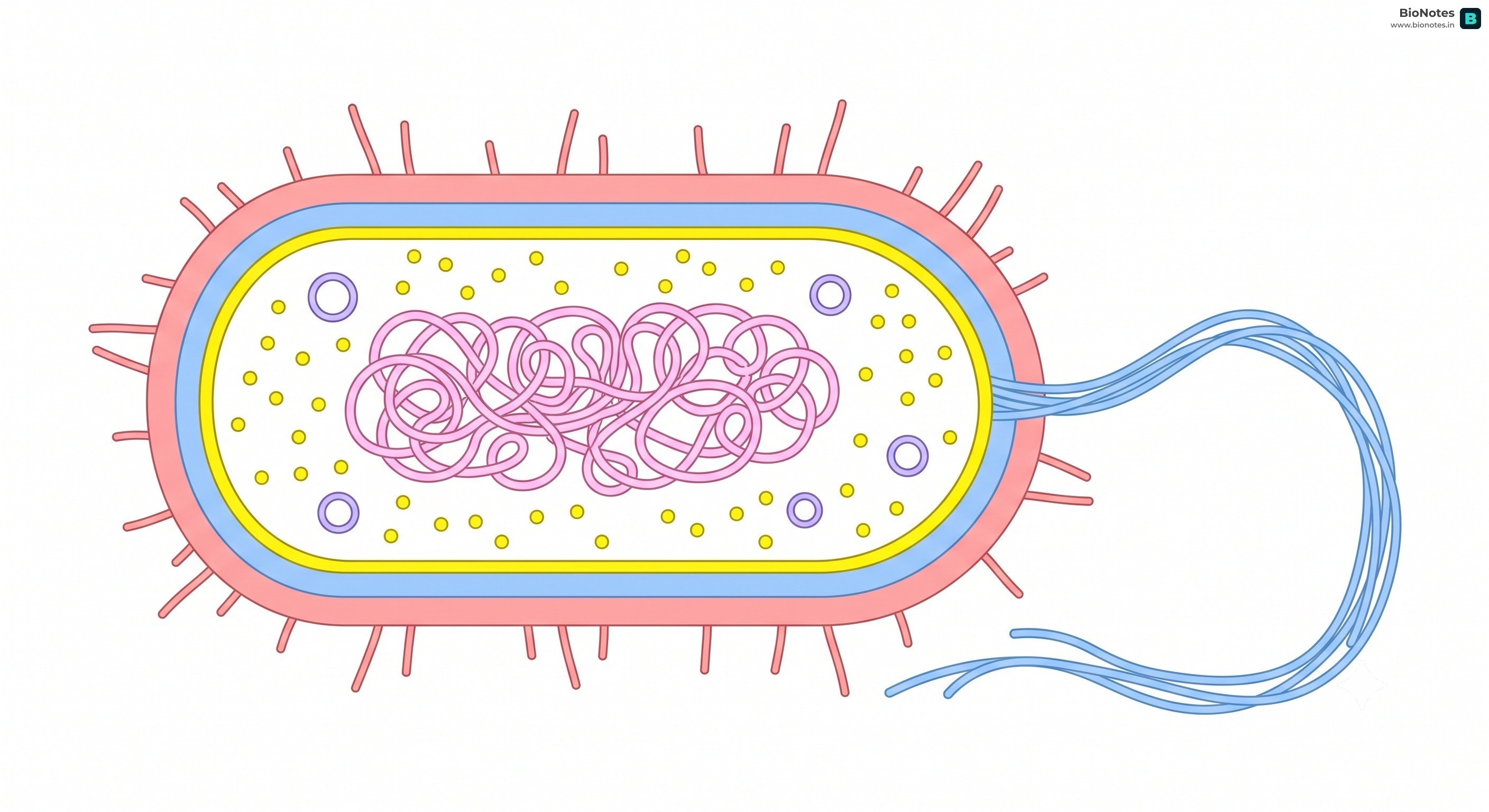
Represented by bacteria, blue-green algae, Mycoplasma, and PPLO.

  • Characteristics: Smaller and multiply faster than eukaryotes.
  • Cell Envelope: Outermost glycocalyx (slime layer or capsule), cell wall, and plasma membrane.
  • Mesosomes: Specialized infoldings of the cell membrane involved in cell wall formation, DNA replication, and respiration.
  • Genetic Material: "Naked" DNA (no nuclear membrane). Small circular DNA called plasmids provide unique traits like antibiotic resistance.
  • Ribosomes: 70S type (50S and 30S subunits).

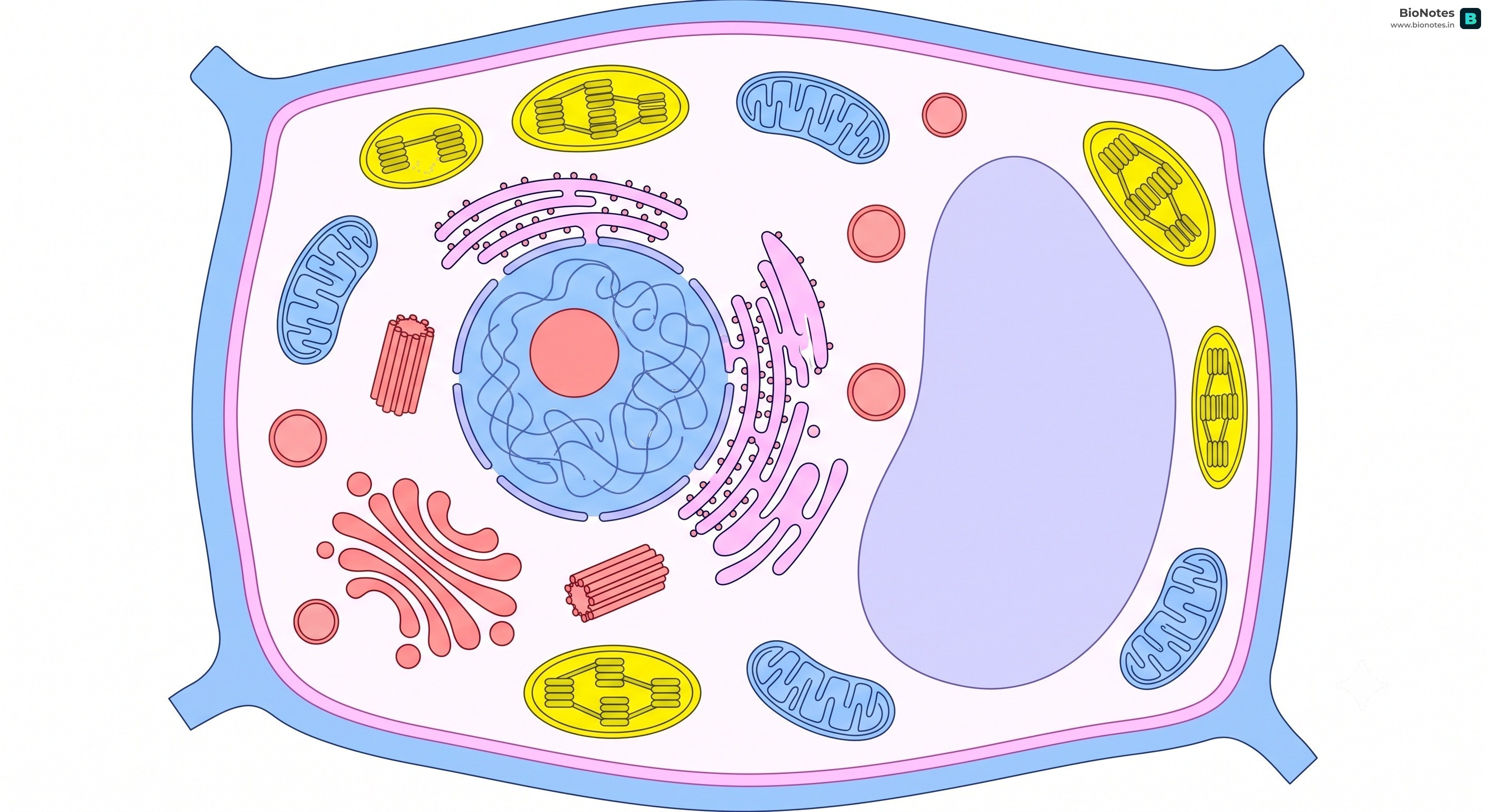
3. Eukaryotic Cells

Include protists, plants, animals, and fungi. Characterized by extensive compartmentalization through membrane-bound organelles.
A. Cell Membrane (Fluid Mosaic Model)

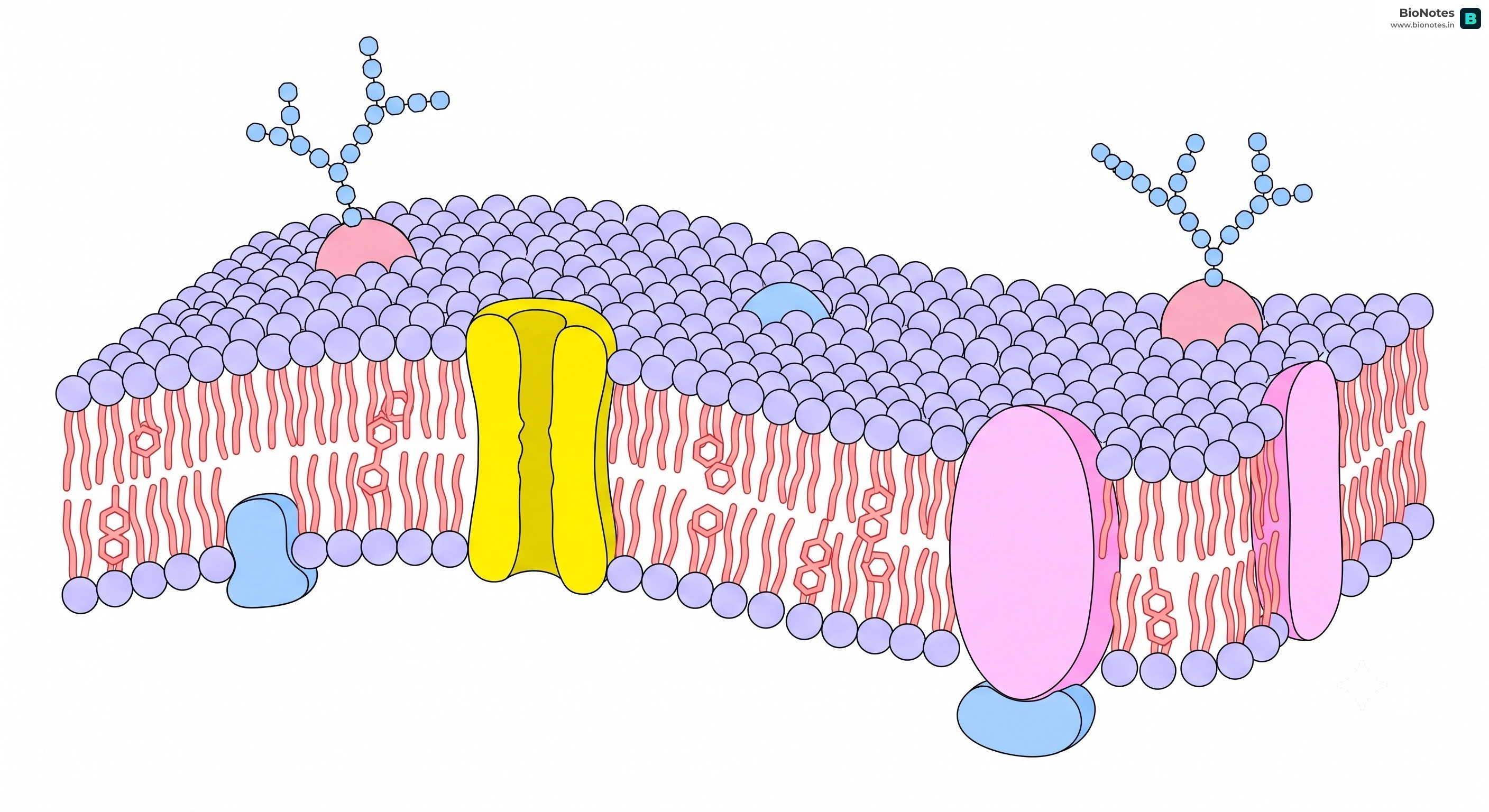
Proposed by Singer and Nicolson (1972).

  • Structure: Phospholipid bilayer with polar heads outside and hydrophobic tails inside. Contains proteins (integral and peripheral) and cholesterol.
  • Transport:
    • Passive Transport: Movement along the concentration gradient without energy (Diffusion, Osmosis).
    • Active Transport: Movement against the concentration gradient using ATP (e.g., Na+/K+ pump).

B. Cell Wall

A rigid, non-living outer covering for plants and fungi.
  • Functions: Gives shape, provides mechanical protection, and acts as a barrier to undesirable macromolecules.
  • Middle Lamella: Made of calcium pectate, glues neighboring cells together.

C. Endomembrane System

Organelles whose functions are coordinated:
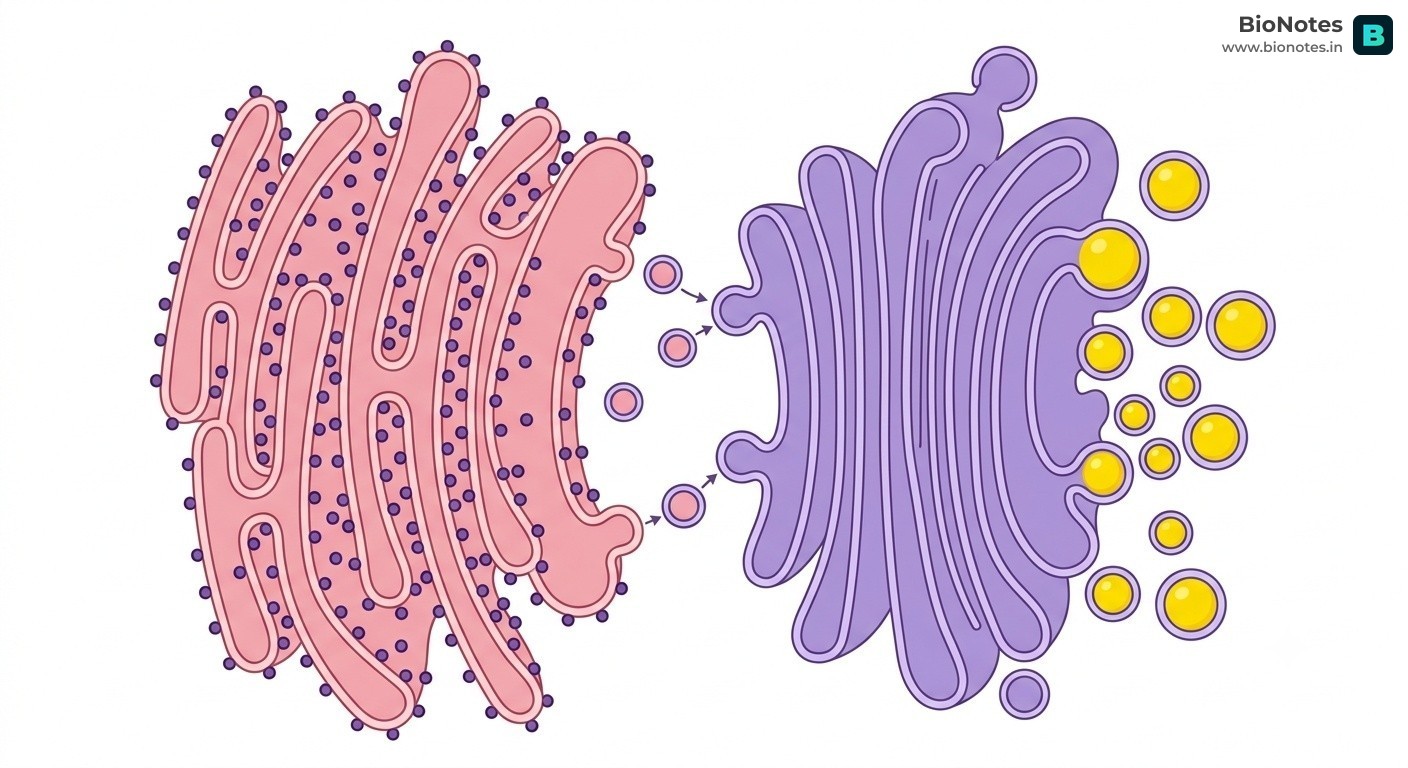
  1. Endoplasmic Reticulum (ER): RER (with ribosomes) for protein synthesis; SER (without ribosomes) for lipid synthesis.
  2. Golgi Apparatus: Flat cisternae for packaging and modification of proteins; site for formation of glycoproteins and glycolipids.
  3. Lysosomes: Vesicles rich in hydrolytic enzymes (acidic pH) for digesting macromolecules.
  4. Vacuoles: Membrane-bound space (tonoplast) for storage of water, sap, and waste.

D. Mitochondria

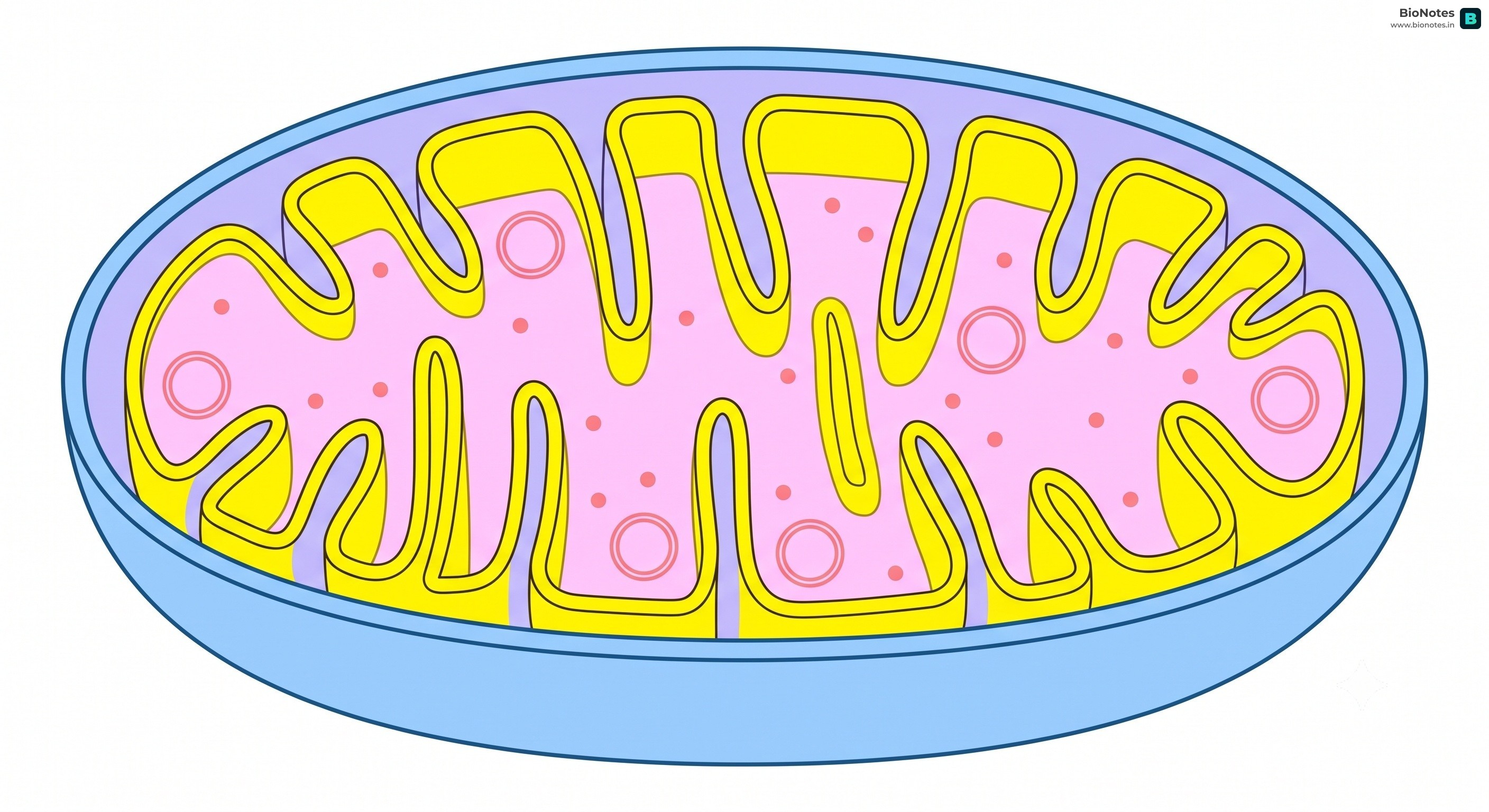
  • Powerhouse of the cell: Site of aerobic respiration and ATP production.
  • Structure: Double membrane; inner membrane forms cristae to increase surface area. Contains its own circular DNA and 70S ribosomes.

E. Plastids

Found in plants and euglenoids.

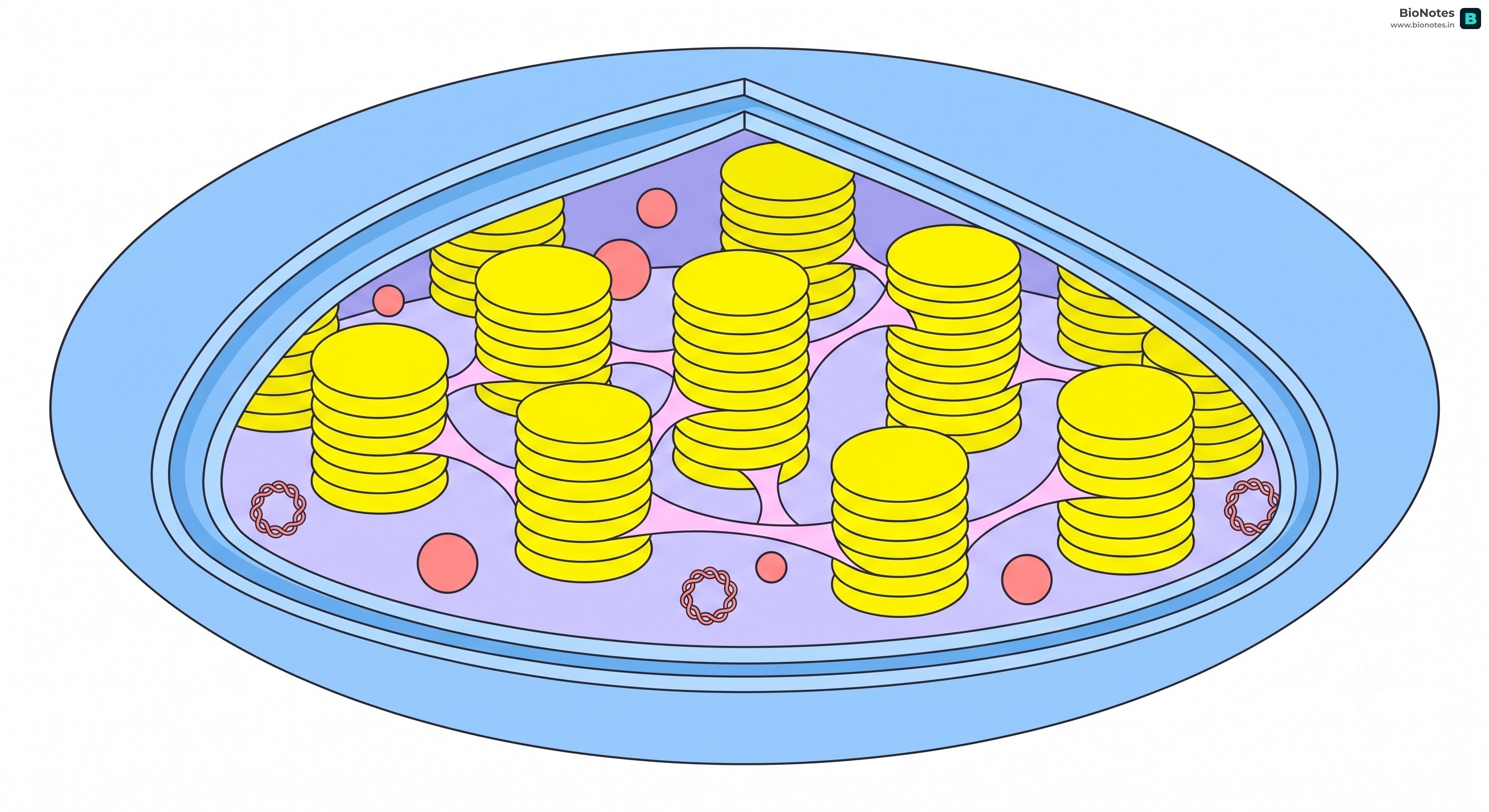
  • Chloroplasts: Contain chlorophyll for photosynthesis; have stacks of thylakoids called grana in the stroma.
  • Chromoplasts: Contain carotenoid pigments (yellow, orange, red).
  • Leucoplasts: Colorless plastids (Amyloplasts for starch, Elaioplasts for fats, Aleuroplasts for proteins).

F. Nucleus

Described by Robert Brown.

  • Nuclear Envelope: Double membrane with nuclear pores for transport of RNA and proteins.
  • Nucleoplasm: Contains the nucleolus (rRNA synthesis) and chromatin (DNA and histones).
  • Chromosomes: Classified by centromere position:
    • Metacentric: Middle centromere (equal arms).
    • Sub-metacentric: Slightly off-center (one short arm).
    • Acrocentric: Close to end (very short arm).
    • Telocentric: Terminal centromere.

G. Other Organelles

  • Ribosomes: Non-membrane bound protein factories. Eukaryotic are 80S (60S + 40S).
  • Cytoskeleton: Network of microtubules and microfilaments for support and motility.
  • Cilia and Flagella: Hair-like outgrowths with a 9+2 array of microtubules.
  • Centrosome: Contains two centrioles in a cartwheel pattern; helps in cell division in animal cells.
Location:/CBSE/NCERT/Notes/Class_11_Biology/Chapter_08_Cell_The_Unit_of_Life.mdx

Created by Titas Mallick

Biology Teacher • M.Sc. Botany • B.Ed. • CTET Qualified • 10+ years teaching experience